In acute healthcare settings, such as an inpatient stay at the hospital, the quality care delivered to patients is facilitated by readily available resources such as multidisciplinary healthcare teams all operating out of one facility. A multidisciplinary team can include your doctor, spiritual counselor, social worker, and bereavement counselor to name a few. Following discharge from an acute healthcare setting, more senior patients are often sent to post-acute healthcare settings. These are settings that reside outside of the hospital and can include skilled nursing facilities (SNFs), long-term care hospitals (LTCHs), inpatient rehabilitation centers and home care agencies. At these facilities, individuals traditionally experience longer stays and therefore continue to benefit from the multidisciplinary services mentioned above. In all of these settings, the availability of such resources, especially counseling, is critical to the long-term health and wellness of residents. April is recognized as National Counseling Month, and we can’t overstate the importance of counseling for individuals in any stage of care. Fortunately, a number of counseling services are readily available to individuals requiring long term care. Three of these services in particular include social work, bereavement, and chaplain services.
Social workers work within a healthcare team as vital advocates for patients and primarily serve individuals that are identified as “high-risk”. In that high-risk category fall senior citizens. Older individuals often reach a point where they can no longer care for themselves independently and rely on family or friends to provide care. This is sometimes the turning point at which you or a loved one may turn to long term care as the best option moving forward. In long term care, social workers can play a pivotal role in identifying where an individual may require the most help, whether that be emotional, financial, family, or other support. Social workers work closely with the rest of the healthcare team and take the lead as a case manager for individuals with psychosocial or financial issues. They also operate as a collaborator for high-risk clinical issues. Not all individuals in long term care will require extended counseling from a social worker, as it will depend on how high risk an individual is. Nonetheless, knowing the services available to you or your loved one can make a difference in receiving the support you need and resting assured that you are being well taken care of by your healthcare team.
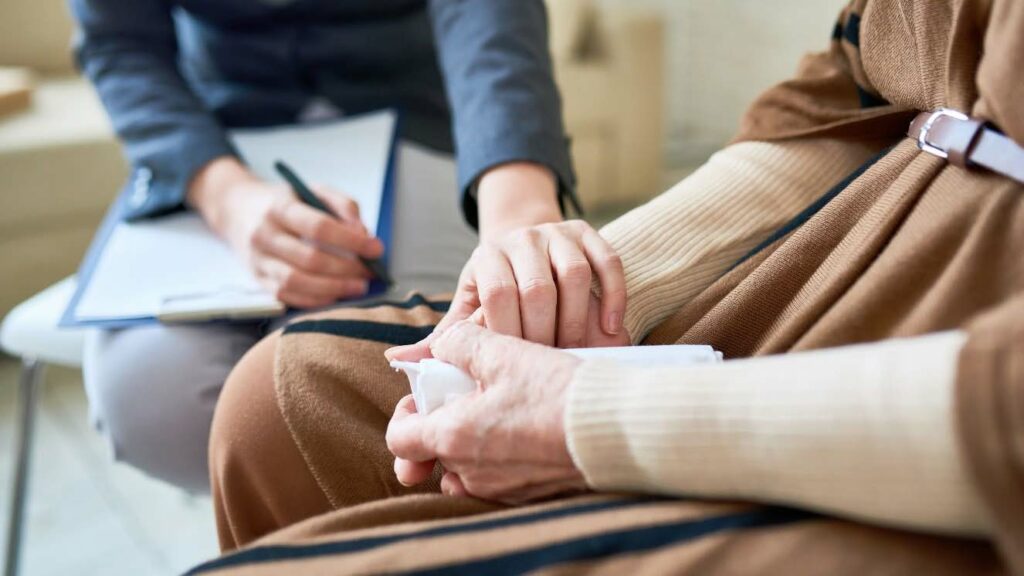
Bereavement counseling is unique in that it is a service dedicated to your family after your loved one has passed away. The primary purpose of bereavement counseling is to help families navigate their grief following a loss. This particular service is incredibly valuable as it is virtually impossible to be fully prepared for what life after loss looks like, regardless of how long a loved one has been ill or how much a family has tried to prepare themselves. Bereavement counselors can be a helpful resource when dealing with the emotions that accompany the loss of a loved one, the disruption of daily routines, the stress of managing the logistics, and the possibly changed outlook on life and mortality. When your loved one passes, care should not stop there; and with the help of bereavement counselors, it doesn’t. Having a supportive team who is familiar with navigating loss can be tremendously impactful and can often eliminate undue stress.

Spirituality can be an especially helpful source of groundedness during challenging times, transitional periods, or throughout the grieving process. Through that lens, chaplains can be vitally important to both your loved one as they move into longer term care and you, as the supporter and caregiver.
Many emotions can accompany the transition from living at home or occasional acute care stays into long term care facilities. Some individuals experience anxiety, sadness, loss of identity, fear, and anger to name a few. All of these emotions can present their own challenges and can negatively impact one’s experience if left unaddressed. Chaplains offer more than just spiritual guidance and can often help individuals navigate some of these confusing, frightening, or unfamiliar emotions. Among the many things chaplains can do for patients, some of the most beneficial services include cultivating new hobbies, facilitating new relationships, providing referrals to appropriate experts, and talking through tough emotions. Chaplains can help individuals see beyond the negative and find acceptance and hope even in challenging times.
As the family of a loved one in long term care, the burden of this transition weighs just as heavy on you. Fortunately, many of the long-term care services are available to help you navigate these challenging times as well. Chaplains can often serve as a guide for the new challenges that arise with putting a loved one into long term care. Similarly, the emotions you face may feel unfamiliar. Be sure to give attention and time to your own emotions, just as you do for your loved one, and consider utilizing chaplain services if you are seeking support during this time. Chaplains not only help to facilitate the sustainment or discovery of spirituality but also contribute to the acknowledgement and interpretation of emotions for individuals and families experiencing change, grief, or loss.
If you or a loved one are preparing to transition to a post-acute healthcare setting of any kind, be sure to discuss with your team of providers what counseling services are available to you and your family. The amount of support and care these services can provide outside of the hospital is extensive and can greatly impact the quality of a more long-term healthcare stay.
Sources:
Image 1:
https://www.counseling.org/knowledge-center/mental-health-resources/counselingawarenessmonth
Image 2: https://veteranlife.com/veteran-benefits/va-bereavement-counseling/
Image 3: https://www.yourtango.com/self/what-happens-after-spiritual-awakening
American Hospital Association: https://www.aha.org/advocacy/long-term-care-and-rehabilitation
MedPac: https://www.medpac.gov/research_area/post-acute-care/#
Net Health: https://www.nethealth.com/the-importance-of-in-home-bereavement-support-services-for-hospice-care/
Relias Media: https://www.reliasmedia.com/articles/148131-the-role-of-the-social-work-case-manager-across-the-continuum-of-care
Research Gate: https://www.researchgate.net/publication/337140540_THE_IMPACT_OF_SOCIAL_WORKERS_ON_POST-ACUTE_CARE_DISCHARGE_OUTCOMES
April 16 is National Healthcare Decisions Day (NHDD), designed to “inspire, educate, and empower the public and providers about the importance of advance care planning.” Being diagnosed with a terminal illness can be overwhelming for individuals and their families.
When diagnosed with a terminal illness, knowing where to turn next can be difficult. Furthermore, many people have misconceptions about hospice and when it should be introduced. This article will break down these common misconceptions surrounding hospice.

Hospice care is for people with a prognosis of 6 months or less if their disease runs its natural course. This type of care focuses on making those with a terminal illness as comfortable and pain-free as possible. Hospice care includes social, medical, emotional, and spiritual support. The goal of hospice care is to provide terminally ill patients the opportunity to live the last stages of their life with comfort and dignity.
Unfortunately, many common misconceptions surrounding hospice may prevent individuals from taking advantage of hospice’s many benefits. One common misconception is that “hospice is a place.” However, hospice can be provided wherever a patient is located, which sometimes includes right in their home. Another common misconception is that “hospice is giving up,” but this could not be further from the truth. Many people end up living longer in hospice or sometimes graduate from hospice and no longer qualify.
While on hospice, patients can choose to keep their primary care physician (PCP). Hospice care staff will work with your PCP and other healthcare professionals to provide collaborative care. Some people also avoid hospice care because they feel it is “pointless” as their illness is terminal. While curative treatment may no longer be an option, that doesn’t mean other efforts serve no purpose. Living with a terminal illness can often cause individuals lots of pain. That’s why hospice care is a great option, as it serves to make individuals as comfortable and pain-free as possible. These supportive measures are key in the final stages of a person’s life.

Instead of waiting until the very end to receive hospice care, individuals with a terminal illness can fully benefit from hospice care sooner rather than later. Others may decide to stop hospice to try another experimental treatment. Hospice can be designed to work for each patient’s individual needs. With hospice, you or your loved one are in the “driver’s seat” of your own healthcare decisions.
Hospice care is a great healthcare option when curative treatment is no longer viable. Furthermore, hospice isn’t just for the last days or weeks of life. Hospice can support individuals for several months. Don’t let the common misconceptions surrounding hospice hold you or a loved one back from receiving supportive care.
Our care team supports patients in determining their own goals of care during the final stages of their illness. Our hospice care service focuses on comfort, support, quality of life, and education. Contact us today to discuss your questions and personal needs.
World Health Day is observed every year to bring awareness to the importance of practicing and achieving optimal health and wellness. In honor of World Health Day, our goal is to help you learn and understand more about specific healthcare services that can improve your quality of life if you are living with a chronic illness.
World Health Day occurs every year on April 7. It was created by the World Health Organization and founded on this day in 1948. The purpose of World Health Day is to promote and celebrate the importance of physical, mental, and emotional well-being.
April 7, 2023, marks the 75th anniversary of the founding of the World Health Organization. This year’s theme is Health For All. This day is the perfect time to reflect on the many public health successes that have shaped today’s healthcare industry and have greatly improved the quality of life for billions of people worldwide.

Suffering or recovering from a serious illness can be extremely stressful. Debilitating symptoms like chronic pain can greatly interfere with your quality of life, as can spending lots of time in sterile, hospital-like environments that take you away from your family and home. Home health and hospice care can make you feel happier, more comfortable, and less stressed—regardless of whether you are recovering from a short-term condition or coping with a terminal illness.
Home health focuses on helping you recover from an illness, injury, or surgical procedure. It can help you become more independent and teach you how to successfully live with and manage a chronic condition such as kidney disease, heart disease, or lung disease. This type of care is given to you in the privacy and comfort of your home.
Hospice care focuses on making you feel as comfortable as possible when living with a terminal illness, such as cancer. This collaborative approach involves physicians, social workers, spiritual advisors, hospice aides, and other healthcare professionals who strive to make your last days as fulfilling as possible. This type of care can be delivered anywhere you call home.
Home health is ideal for anyone in recovery from an illness, injury, or surgery who needs help getting back to their daily activities, but whose condition doesn’t necessarily require hospitalization. For example, home health may benefit you if you recently had open-heart surgery and must stay home for several weeks to recover and take it easy. Your doctor can determine whether home health services are ideal for you based on your unique condition and situation.
Hospice care is ideal for those with a terminal illness who want to reduce their pain and feel as comfortable as possible until the end of life. You may be eligible for hospice care if you have a terminal illness and need continuous oxygen, have difficulty swallowing, suffer from constant pain, or frequently experience shortness of breath. Your doctor can talk to you in greater detail about hospice care and determine whether you’re an ideal candidate for this service.

Knowing about various types of healthcare solutions, such as home health and hospice services, can help you make more educated decisions for yourself or your loved one.
We understand how overwhelming it can be to navigate and choose the best type of health care when you or your loved one is managing or living with a serious illness. Let us help you choose the right program to provide you or your loved one with the best possible quality of life.
Contact us today.
Did you know that March is National Kidney Health Awareness month? Each March helps raise awareness about promoting good kidney health and highlights how home health and hospice care can help support those with kidney disease.
Sadly, kidney disease is often referred to as a silent disease that can manifest without the presence of many symptoms in its early stages. Often, individuals diagnosed with Chronic Kidney Disease (CKD) are unaware of their condition until it has advanced to later stages.
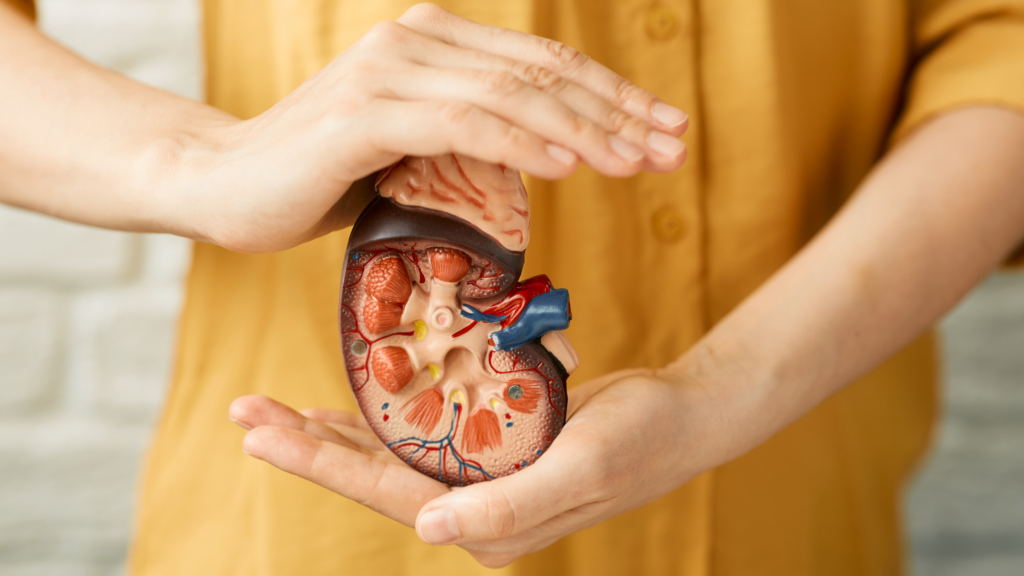
Before you can understand ways to protect your kidneys, it’s vital to understand the critical function of kidneys in the body. Kidneys help regulate the body’s fluid levels, filtering out waste and toxins from the bloodstream. In addition, your kidneys release an essential hormone in blood pressure regulation. Kidneys also serve many secondary purposes, such as activating Vitamin D to maintain healthy bones and keeping blood minerals like potassium and sodium in the correct balance.
With all these vital functions in mind, it’s clear that protecting your body’s kidneys is crucial to good health.
Promoting good kidney health starts with protecting your kidneys. First and foremost, drinking enough fluids daily keeps your kidneys functioning effectively. Adults who do not have a diagnosed kidney condition should drink about 9 to 13 cups of fluid daily, according to the National Kidney Foundation.
Your diet and lifestyle are also quite important to maintaining good kidney health. By eating a well-rounded diet and maintaining a healthy body weight, you’ll help protect your kidneys from many factors that contribute to kidney damage. Aim to get at least 30 minutes of physical activity every day. It may take time, but developing a regular exercise routine can go a long way in helping support your overall health, as well as your kidney health.

Drinking too much alcohol can also wreak havoc on your kidneys and put them at risk for kidney disease. Consume alcohol in moderation. In addition, smokers are at an increased risk for kidney disease.
If you or a loved one has received a kidney disease health diagnosis, there is help. Our team offers supportive in-home services for individuals in need. We review services for individuals on dialysis on a case-by-case basis. Some individuals can continue dialysis treatments while also receiving supportive home health or hospice services. To learn more about how home health and hospice services can help you or a loved one, speak to a representative to discuss your unique situation.
Interested in learning more about the home health or hospice services available to individuals receiving dialysis? Contact us today.
Each year, Patient Safety Awareness Week (PSAW) is recognized to remind healthcare staff of the importance of promoting patient safety practices. Whether you’re a Nurse, Certified Nursing Assistant, or another type of healthcare professional, the steps you take daily can go a long way in keeping your patients safe.
From preventing choking hazards to simple fire prevention techniques, check out these five preventative measures you can implement to keep your patients safer.
Elderly patients or patients in hospice are at an increased risk of falls, which can be caused by age-related loss of muscle mass, balance problems, cluttered environments, and so much more. While you’re likely already familiar with general fall risk precautions, one easy tip that is often forgotten is to ensure that a patient’s living area is adequately lit. According to the Centers for Disease Control (CDC), falls are usually caused by a combination of risk factors. The fewer risk factors a person has, the less their risk for falls is. As a healthcare professional, consider these ways to help encourage fall prevention for your patients:
Another vital part of keeping your patients safe is understanding oxygen safety and fire prevention techniques. Remind your patients on oxygen that oxygen is extremely flammable. Therefore, provide patient education and remind patients of the dangers of smoking near an oxygen tank. Furthermore, all patients who smoke should be made aware of the designated smoking areas around your healthcare facility.
For home care patients, healthcare professionals can also help support fire prevention by helping their patients perform regular smoke detector tests or replace batteries.
Another easy way to keep your patient safe is to follow proper eating protocols to prevent choking. Bed-ridden patients may wish to eat lying down. However, this poses a serious choking hazard. Before feeding a patient or giving them a meal, ensure they sit upright. After eating, patients should remain upright for at least 30 minutes to prevent aspiration. Any patient that has difficulty swallowing should take small bites with sips of liquids in between.

Most healthcare professionals already know that frequent repositioning is an important step to prevent bed sores. However, adequate nutrition is another essential component to help reduce the risk of bed sores. Research studies suggest a clear correlation between nutritional deficiencies and an increased risk for pressure ulcers. Healthcare professionals and dietary department workers should pay close attention to their patients’ diets, helping to ensure they have a well-rounded diet with nutrient-dense foods. For patients with poor appetite, supplemental nutrition may be needed to help obtain proper nutrition and prevent bed sores.
When it comes time to transport a patient, healthcare professionals have many things to remember. Especially for patients who need help to ambulate several times throughout the day, it can be easy for healthcare professionals to forget the most important safety precautions for safe ambulation. As you prepare a patient for transport, ensure that they have the proper footwear to prevent falls. Standard socks are not proper footwear. Instead, patients should have non-slip shoes or socks on. Taking an extra moment to ensure your patient has adequate footwear is a simple and effective way to ensure they are safely transported.
Patient safety is our utmost priority. To support this year’s Patient Safety Week, try implementing these five simple ways to keep your patients safe. Whether you see patients in a home setting or an assisted living facility, these tips can help reduce fall risk, prevent bed sores, eliminate choking hazards, and reduce fire hazards.
Even when you know someone is dying, watching a loved one take their last breath is surreal.
If they are on life support, once they are removed from it, their breathing may change pretty quickly, and then it stops. Natural death can be different. For several minutes, you watch their breathing change. It becomes shallower, intermittent, until with great finality, they take their very last breath. Then, nothing but silence.

The emptiness of that moment feels like it would suck you into it if it could. You cry, with a depth of pain that feels like it is tearing right through you. You want to get away form the pain, but there is nowhere to run to. Part of their legacy is tied to you, sewn into the very fabric of your life. In losing others, one can feel like they have lost part of themselves.
Maybe that is why anxiety and feeling unsettled is so common after losing a loved one.
In the acute phase of grief, there is physical and neurological consequence. One’s heart can actually change. Takotsubo cardiomyopathy (AKA broken heart syndrome) causes the heart’s main blood-pumping chamber (the left ventricle) to change shape and get larger. This weakens the heart muscle, and it doesn’t pump blood as well as it should. The symptoms usually last a few weeks, and one’s heart can return to normal function.
The word ‘takotsubo’ comes from the name of a pot used by Japanese fishermen to trap octopuses. When the left ventricle of the heart changes shape, it develops a narrow neck and a round bottom, making it look somewhat like an octopus trap.
Then, there is the brain’s response to grief and loss. One can experience changes in memory, behavior, and sleep. Cognitive effects can also happen. One common one is known as brain fog. These neurological changes are a protective mechanism in order to help us survive.
Perhaps that protective mechanism helps younger folks survive, but the risk in elderly survivors can also increase. The depression, anxiety, and physical changes reduce one’s motivation to get up and move Non-adherence to one’s medical regimen can be compromised, increasing hospitalization risk.
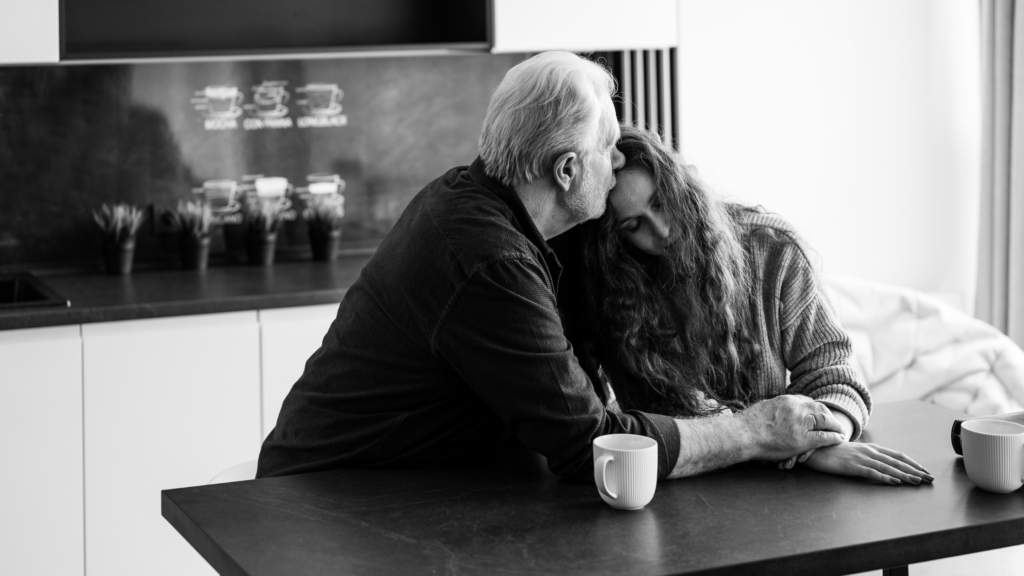
I’m not sure the last breath is an event one can prepare for. The emotional toll can last months or years.
Which is why our hospice bereavement is so important. We provide bereavement support for over a year to those who must move forward but feel like they can’t. Children – both young and old – and other family receive care while the world moves on around them.
Social workers can be found in several settings, like hospitals, mental health clinics, home health services, hospice facilities, private practices, nonprofits, government agencies, and more. Social work might just be one of the most diverse professions out there.
Today, we want to thank social workers for all that they do in our society and highlight a few social workers who have left their mark on the world.

Social workers can commonly be found in hospitals and other healthcare settings thanks to social work pioneer Ida Cannon. Ida began her career as a nurse in 1898 and, after hearing a lecture by the “mother of social work,” Jane Addams, learned about the connection between living in poverty and health (Social Welfare History Project, 2012). After working as a visiting nurse in Minnesota for several years, Ida enrolled in the School for Social Workers in Boston, Massachusetts (Social Welfare History Project). Ida went on to work at Massachusetts General Hospital with patients from underserved populations and eventually became Chair of Social Services (Social Welfare History Project). She is considered one of the foremothers of medical social work to this day.
Today, social workers can also be found in the halls of government. One notable social worker in this field is Whitney Young, known widely as the co-author of President Lyndon B. Johnson’s War on Poverty (NASW). Whitney finished his Master of Social Work degree at the University of Minnesota in 1947 and began working for the Urban League of Nebraska in 1950 (NASW). He dedicated his career to addressing systemic inequalities like poverty and racism, becoming the director of the National Urban League in 1962 (NASW). Whitney also served as president of the National Association of Social Workers from 1969 to 1971, a time marked by unrest surrounding the civil rights of Black Americans, the war in Vietnam, and addressing the impact of poverty in the United States (NASW).
Dr. Black is well-known for her contributions to social work education and research over the past 50 years (CSWE, 2017). She received her BA and MSW from McGill University in Canada and received a doctorate from the National Catholic School for Social Services (CSWE). Dr. Black is a leader in the social work field for her role in molding the next generation of social workers. Her research has spanned a variety of topics, from healthcare and hospice work to ethics and practice evaluation. Notably, Dr. Black’s work with the Council on Social Work Education marked a shift from a content-based evaluation of social work learning to a competency-based model (2017). Not only did this change how social work students were taught, but it also changed how they practiced.
These three outstanding social workers are only a few representatives of the vast diversity within their field. They are each known for their willingness to blaze a new trail for the betterment of our society—a value intrinsic to social workers.
Today and every day, we want to acknowledge the social workers who step up to the plate and keep our world running. Thank you for all that you do.
Social Welfare History Project (2012). Ida Cannon (1877-1960) – Social worker, nurse, author and founder of medical social work. Social Welfare History Project. Retrieved 27 January, 2023 from https://socialwelfare.library.vcu.edu/people/cannon-ida-maude/.
National Association of Social Workers . (2017, October 10). Whitney M. Young, Jr. National Association of Social Workers (NASW). Retrieved January 28, 2023, from https://www.socialworkers.org/LinkClick.aspx?fileticket=8MP84GYP8i8%3D&portalid=0.
Council on Social Work Education (CSWE). (2017). Dr. Phyllis Black. Council on Social Work Education (CSWE). Retrieved January 28, 2023, from https://www.cswe.org/about-cswe/awards/2017-awardees/dr-phyllis-black/.
“Frailty is everyone’s business, and recognizing it improves outcomes and helps people live well longer,” said William Mills, MD, BrightSpring Health Services’ senior vice president of medical services, during Frailty: Why It Is Important, How to Identify It, and Programs to Help, a 2023 Clinical Impact Symposium webinar.
Addressing frailty is essential on many fronts. As Mills said, “Evidence shows that age, frailty, chronic disease load, and ADL dependency are predictive of mortality, hospitalization, and total cost.” At the same time, severe frailty is associated a five-fold higher risk of death at one year.
Frailty not only needs to be on your radar; you need a methodical, team-based, person-centered system to address this. The following are 7 elements your efforts should include:
Mills noted that frailty generally is “a clinically recognizable state in which the ability of older people to cope with everyday or acute stressors is compromised by an increased vulnerability brought by age- associated declines in physiological reserve and function across multiple organ systems.” He added that the most commonly used definition is the “frailty phenotype,” which consists of five physical components: weight loss, weakness, exhaustion, slowness, and low physical activity level.
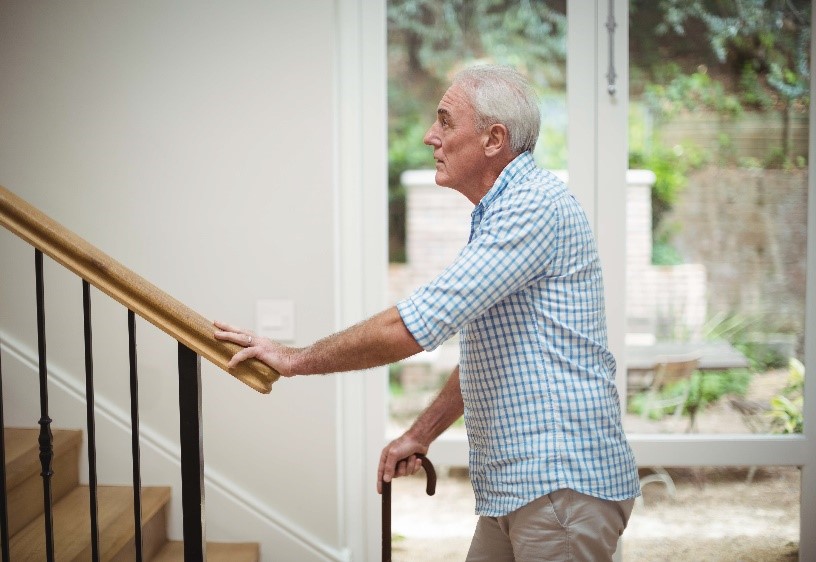
Individuals aren’t likely to report that they are getting frail or weak. Instead, they may say things like: “The stairs are getting so hard to climb;” “Since my wife died, I just open a can of soup for dinner;” “I’ve lived here 40 years, and no other place will seem like home;” “I’m having more trouble getting around;” and “I’ve had a couple of falls – not too bad, though.” Family and team members need to be alert for signs that a patient is experiencing increasing frailty or frailty-related issues.
Mills said, “A clinical frailty tool should be quick, inexpensive, reliable, and easy to use in clinical settings because the identification of frail older people at risk is an important initial step potentially leading to appropriate preventive or treatment interventions and ultimately to higher quality care for this vulnerable population.” He noted that FRAIL scale is a simple questionnaire consisting of five yes or no questions addressing fatigue, resistance (inability to climb stairs), ambulation (inability to walk a certain distance), Illnesses (more than five comorbidities) and weight loss.
This scale, he said, has been shown to be able to predict mortality and incident ADL and IADL disabilities among community-dwelling older people in recent meta-analysis studies.” Other potentially useful instruments include the Clinical Frailty Scale, Edmonton Frail Scale, INTER-FRAIL Prisma-7, Sherbrooke Postal Questionnaire, Short Physical Performance Battery, and Study of Osteoporotic Fractures Index.
Mills said, “An exciting project we have worked on involves a claims-based assessment to detect frailty. This is a unique opportunity to identify patients who may need specific interventions and provide them with those services.”
This should include resistance training, aerobic exercise training, balance training, and flexibility training. Mills and Renee Lach-Sharon, PT, MS, CPHQ, manager of therapy clinical and quality services at Rehab Without Walls NeuroSolutions, who also spoke at the webinar, talked about a new BrightSpring exercise program adapted from a program at the University of Otago in New Zealand. “The Otago program initially focused on falls prevention and found it useful in this regard. It has shown that even in higher risk populations, it was able to reduce falls by 35%, and it improved things like mobility and hand grip strength. We are looking at using it with very old adults who have multiple risk factors such as arthritis and deconditioning,” said Lach-Sharon.
This involves an individually tailored, home-based balance and strength falls prevention program delivered by a physical therapists and available via home health. Lach-Sharon stressed that intensity is key to the success of this program. This means sessions three days a week for each category of exercise, with a rest day between exercising in the same category. “We are looking to roll this out in the home health environment. Each visit would be about 45-60 minutes, then we would conduct follow-up calls to check in. This is key to the success of the program, as we are trying to make this a lifestyle change,” said Mills, adding, “One goal is to get these individuals into community-based exercise programs for socialization. This makes a tremendous difference in compliance.”
This should include the use of your frailty assessment tool as well as measurements of gait speed, 30-second chair rise, and balance (4-stage balance test: stand with feet side by side, place instep of one foot so it is touching the big toe of the other foot, place one foot in front of the other – heel touching toe, and stand on one foot). Mills noted that, according to research, “The inability to stand on one leg for 10 seconds in mid to later life is linked to a near doubling in the risk of death from any cause within the next 10 years.”
Ideally, a good frailty program should be led by a trained physical therapist. BrightSpring is rolling out a national program currently. After starting the program led by physical therapy, leveraging technology, including efforts such as exercise videos and remote therapeutic monitoring can be useful as well. Make effective use of non- skilled staff and caregivers. For instance, consider using a standardized assessment tool to enable caregivers to address social determinants of health. “It is important to provide structure, clinical assessments and support between visits to assess frailty, falls risk, etc.,” Mills said, adding, “Make sure you provide a system for patients to get access to medications and maximize compliance with medication regimens.”
By assessing and addressing frailty, providers can manage patient proactively, instead of reactively. “We think an exercise prescription will be an innovative and exciting way to positively impact frail elders,” Mills said.