It may surprise many people to learn that 25 percent of those who die every year in the U.S. are Veterans. To help provide care and support that reflect the important contributions made by these men and women, Apreva Hospice has become a national partner of We Honor Veterans, a pioneering campaign developed by National Hospice and Palliative Care Organization in collaboration with the Department of Veterans Affairs.

As a We Honor Veterans Partner, Apreva Hospice will implement ongoing Veteran-centered education for their staff and volunteers to help improve the care they provide to the Veterans they proudly serve. The nation is seeing many of the Veterans who served in World War II and Korean pass away-and the number of deaths of Vietnam Veterans is beginning to rise.
The We Honor Veterans campaign provides tiered recognition to organizations that demonstrate a systematic commitment to improving care for Veterans. “Partners” can assess their ability to serve Veterans and, using resources provided as part of the campaign, integrate best practices for providing end-of-life care to Veterans into their organization. By recognizing the unique needs of our nation’s Veterans who are facing a life-limiting illness, Apreva Hospice is better able to accompany and guide Veterans and their families toward a more peaceful ending. And in cases where there might be some specific needs related to the Veteran’s military service, combat experience or other traumatic events, Apreva Hospice will find tools to help support those they are caring for.

“We thank Veterans Administration for partnering in the We Honor Veterans program,” says NHPCO President & CEO Edo Banach. “We Honor Veterans partners are committed to providing quality Veteran-centric care to the Veteran patients they serve. They Apreva Hospice Recognized as a We Honor Veterans Partner understand how a Veteran’s military service, combat experience or other traumatic events, could impact their end-of-life experience.” The resources of We Honor Veterans focus on respectful inquiry, compassionate listening, and grateful acknowledgment, coupled with Veteran-centric education of health care staff caring for Veterans. To learn more about We Honor Veterans or to support this important work via a secure, online donation, please visit www.wehonorveterans.org.
“VA shares a common goal with our nation’s hospices, and that is to provide the best possible care specifically tailored for Veterans, meeting their goals of care in their preferred setting. As we focus on working together and unite our services and skills, We Honor Veterans will channel our combined strengths directly to Veterans – wherever they are receiving care,” added Banach.

Approaching middle age and later years comes with a number of health changes and increased health risks. One commonly faced issue in America is heart disease. In 2020, one in five deaths was due to heart disease and related complications.
Heart disease is the leading cause of death in the country, regardless of gender or ethnicity, with someone dying every 34 seconds. Read on to learn more about factors that affect heart disease, particularly among the aging population, and what you can do to keep your heart beating strong.
Some people can be at extra risk for heart disease, if they have a family history of coronary events, but many issues can be prevented by adjusting your lifestyle. You could be at greater risk if you live a sedentary lifestyle with little exercise and poor nutrition. Other risk factors include:

According to the American Heart Association (AHA), maintaining a healthy diet and exercise regimen can prevent heart disease. Patients look to medical professionals for advice on the healthiest diet to follow. However, especially as people grow older, it can be hard to change habits. With this in mind, medical professionals can look for ways to improve patients’ diets in meaningful ways.
If a patient expresses their favorite food is waffles, for example, offer a recipe that uses heart-healthy substitutions such as whole grain flour and real maple syrup vs. highly processed ingredients. There is almost always a way to make a simple adjustment to an unhealthy meal with a bit of creative brainstorming.
Maintaining an active lifestyle is the best way to keep our hearts and other muscles strong. The American Heart Association (AHA) recommends at least 150 minutes of moderate or 75 minutes of intense physical activity per week. However, exercise doesn’t have to be strenuous, painful, or exhausting to be effective. Simple workouts like yoga, walking, and kicking a ball can be enough as long as it increases your heart rate.

Recent research has shown a link between heart disease and gum disease. Studies out of Harvard Medical School offer a range of theories as to this connection. It could be that plaque and other cells break off from our teeth and enter the digestive system, possibly contributing to arterial clogs.
There may also be tertiary risk factors that overlap, such as the tendency for people who smoke cigarettes and have poor dental hygiene to experience heart disease. While the research is currently unclear, cleaning your teeth regularly and making annual dentist visits is never a bad thing.
Whatever struggles a person faces, we can help them overcome the barriers to wellness. Just remember, we don’t need to fight heart disease alone. With a competent care team and network of home health providers, we can make the necessary adjustments and keep our patients’ heart health on track.
https://www.cdc.gov/heartdisease/facts.htm
https://medlineplus.gov/heartdiseaseinwomen.html
https://www.heart.org/en/healthy-living/fitness/fitness-basics/aha-recs-for-physical-activity-in-adults
Heart disease continues to be the leading cause of death for Americans. Thankfully, heart disease is often preventable and can be treated by making healthier lifestyle choices.
Heart attack symptoms often include discomfort in the center of the chest that may last for a few minutes or comes and goes. It can feel like squeezing, uncomfortable pressure, fullness, or pain. Shortness of breath, breaking out in a cold sweat, lightheadedness, and nausea are also heart attack symptoms.
A congenital heart defect starts at birth. Doctors are still puzzled as to why a baby might have a congenital heart defect, though it tends to be hereditary. Most of these heart disease issues include leaky valves or structural issues like holes in the heart.
Not getting enough exercise, unhealthy eating, and smoking increase your chance of developing heart
disease. Additionally, high blood pressure, diabetes, and high cholesterol are other factors that can increase your risk. Speak with your doctor about prevention measures.
Heart attack victims can have sudden loss of responsiveness or may be unable to breathe normally. Loss of oxygen to the brain and heart can cause permanent damage, so calling 9-1-1 immediately is critical. EMS staff can start treatment upon arrival, often up to an hour sooner than if you drove yourself to the hospital.
According to Mayo Clinic, women are somewhat more likely than men to experience less common symptoms and signs, like neck or jaw pain prior to having a heart attack.
This disease develops when your major blood vessels that supply the heart with blood, nutrients, and
oxygen become diseased or damaged. Plaque build-up in your arteries, which causes inflammation, often leads to coronary artery disease. This build-up happens over a number of years and most people don’t notice a problem until they have a heart attack or large blockage in the arteries that requires surgery.

Have you ever touted the wonders of laser eye surgery to remove cataracts, blood transfusions, or pacemakers? We might not be promoting these and other advancements today if it were not for the ingenuity of African American scientists, practitioners, and other innovative people of color.
Black History Month highlights the significant contributions that African Americans have made to crucial medical advancements. Many of these people still need to receive the historical accolades they deserve. Nevertheless, if not for them, we wouldn’t have the life-saving medical innovations we take for granted today.

This observance originates in the founding of the Association for the Study of Negro Life and History in 1915, which author and historian Dr. Carter G. Woodson spearheaded. In 1986, Congress passed legislation that designated February National Black (Afro-American) History Month. Black History Month raises awareness of African Americans’ significant contributions, despite the prejudice, discrimination, and bias they have and continue to face.
Many pioneering African Americans have applied their skills and knowledge to solve medical problems, contributing to advancements in public health and healthcare delivery, despite the adversity and health inequities they encountered.
Open-heart surgery, blood transfusions, and pacemakers are some modern innovations for which we can thank African American trailblazers in medicine and healthcare. The following individuals are some of the pioneers who overcame cultural barriers to facilitate medical developments that have saved millions of lives.
James McCune Smith, M.D. In 1837, American-born Dr. Smith earned his medical degree from the University of Glasgow in Scotland, where he did not face as much bigotry and discrimination as he would have in his home country. He later moved to New York, where he became the first Black man to practice medicine in the United States.
Patricia Bath, M.D. Dr. Bath is a research scientist and educator with a medical degree from Howard University. She developed a method of laser eye surgery to remove cataracts. Patients worldwide have benefited from this widely used procedure.
Leonidas Harris Berry, M.D. In the 1950s, gastroenterologist Dr. Berry worked to encourage the inclusion of more black physicians in hospitals. His leadership in Chicago also led to more healthcare facilities being opened in underserved sections of the city.
Otis Boykin. Boykin, an electronics pioneer, is perhaps best known for improving the pacemaker, a small device that detects when the heart is beating too slowly or irregularly. Also, he patented almost 30 other electronic devices.
Charles Richard Drew, M.D. Dr. Drew is often hailed as the “father of blood banking.” He provided leadership in developing methods for preserving blood for donations and transfusions. Dr. Drew also led the first blood bank of the American Red Cross, also creating mobile stations that have since evolved into bloodmobiles.
Marilyn Hughes Gaston, M.D. Dr. Gaston is mainly responsible for advancing our knowledge and understanding of sickle cell disease, which leads to pain and complications for millions of people. Her research led to the development of sickle cell screening methods for newborns that are now widespread.
William Augustus Hinton, M.D. A graduate of Harvard Medical School in 1912, Dr. Hinton was the first African American to publish a textbook, which was titled, Syphilis and Its Treatment. He developed the “Hinton test,” a water-based chemical process for detecting syphilis in patients.

Mae C. Jemison, M.D. Dr. Jemison became the first African American astronaut in NASA history in 1992. She collaborated with the Centers for Disease Control and Prevention (CDC) to research many types of vaccines and conducted many experiments aboard the Shuttle Endeavor.
Daniel Hale Williams, M.D. Many people depend on open-heart surgery to save their lives. Dr. Williams was the first African American cardiologist to perform this surgery successfully. In addition to serving as the first Black member of the American College of Surgeons, he opened the first Black-owned and non-segregated hospital in the United States in 1891.
Kizzmekia Corbett, Ph.D. A researcher in immunology and infectious diseases, Dr. Corbett has worked on novel coronavirus vaccines since 2014. Her work has been influential in the development of the COVID-19 vaccine, which helped slow the spread of the virus.
Many of the medical advancements we take for granted today are largely due to the contributions of many African American researchers and physicians. Despite the cultural obstacles they have faced, their contributions to medicine and healthcare have improved our life expectancy and quality of life.
Some older adults and people with serious illnesses, unfortunately, experience the end of life in certain healthcare settings that do not align with their desired wishes. If you have a serious illness or are a caregiver of someone planning end-of-life care, knowing the difference between palliative care and hospice care can help you make an informed decision when the time comes to transition to one of these healthcare settings.
Palliative care is a form of care that focuses on improving your quality of life and that of your family when you are living with a serious illness. It focuses on your whole-person health rather than only on your condition. If you are receiving palliative care, your treatment plan may focus on reducing symptoms of your illness and on improving secondary conditions such as depression, sleep deprivation, and side effects of medications.
Palliative care may be given in various healthcare settings, such as at the hospital, a residential care facility, or your home. Anyone can receive this type of care regardless of age or the severity of their condition.
If you receive palliative care, you may work with and be treated by various healthcare professionals, including doctors, nurses, social workers, pharmacists, physical therapists, counselors, and nutritionists. If you need spiritual care, your palliative care team may even include a chaplain. The healthcare professionals that make up your palliative care team will depend mainly on your recovery needs and level of care.
Studies show that palliative care offers many benefits, including:

Hospice care focuses on improving your comfort and quality of life when you are nearing the end of your life. This type of care is usually given in circumstances in which an illness continues to progress despite treatment or when the patient chooses not to receive certain treatments. Hospice care is similar to palliative care in that it provides comfort care and support for the family. However, treatments are not given to improve the illness.
Like palliative care, hospice care can be given in many different healthcare settings, though it is most frequently given at your home, where you can be most comfortable and spend quality time with your loved ones. In addition, it is typically given when your healthcare provider believes you have no more than six months to live. Some benefits of hospice care include 24/7 access to nurses and healthcare workers who can address and relieve symptoms and side effects and access to medical equipment and medications that can reduce your discomfort.
Many of the same types of healthcare professionals that make up a palliative care team will also be part of your hospice care team. This includes doctors, nurses, social workers, chaplains, and volunteers who dedicate their time to giving you the support you need and making you feel as comfortable as possible during your final months.
To be eligible for hospice care, you will discontinue aggressive treatment efforts to combat your terminal illness (such as experimental surgeries, aggressive chemotherapy, or other treatments that require prolonged hospitalization and recovery). However, you may continue to receive treatments for other conditions, such as antidepressants to treat depression or insulin medicines to control Diabetes.
Comfort care and end-of-life care are both terms that describe the type of care you receive when you are near the end of your life and are no longer receiving treatment for your illness. It is highly similar to palliative care in providing you with whole-person care that focuses on your physical, social, emotional, and spiritual health. Comfort care and end-of-life care may include palliative care or hospice care, or a combination of both.
Sometimes, palliative care is given as part of hospice care, and both types share many similarities. For instance, the goal of both palliative and hospice care is to improve your quality of life and help you find relief from painful and severe symptoms and side effects of treatment. Both types of care also focus on whole-person health. However, there remain many differences between palliative care and hospice care.
Some of these differences are:

You may want to consider palliative care if you or your loved one has a serious illness or chronic condition that requires long, intensive care or that causes severe physical symptoms and/or emotional distress. For example, cancer, heart disease, AIDS, and kidney failure are some of the many conditions that can benefit from palliative care.
Additionally, palliative care may benefit you if you:
A person may transition from palliative care to hospice care if their doctor thinks they have no longer than six months to live. Sometimes, it can be difficult for doctors to predict exactly how long it will take for a particular disease to run its course or how long a person has left to live if their health is in decline. In these circumstances, it’s important to consider how transitioning to hospice care could improve your quality of life during your final months.
According to the National Library of Medicine (NLM), doctors should strongly consider referring chronically ill patients to hospice care if they spend more than half their time in bed, are unable to function efficiently, and are experiencing both physical and psychological distress. The NLM adds that hospice referrals are usually necessary when the patient’s condition has progressively declined to the point that their highest priority is to take control of their healthcare and achieve the greatest possible comfort in their homes as they near the end of life.
Talk to your doctor if you think you may need hospice care but aren’t sure when you should transition out of palliative care. Your doctor can talk to you at length about your options and the benefits of transitioning to hospice care based on your condition and unique circumstances.
Taking advantage of hospice care as soon as it’s needed could result in access to quality care and lots of extra quality time to spend with your loved ones. Additionally, studies show that patients who plan their care in advance are more likely to be satisfied with their care, given how they can make decisions that align with their end-of-life wishes.
Consult with your healthcare provider if you or your loved one is interested in learning more about palliative care or hospice care. Your doctor can refer you to a palliative or hospice care specialist who can answer all your questions and help you determine which of these services may be more ideal.
Palliative care and hospice care are covered by many major health insurance providers, including Medicare. The exact benefits covered will vary based on your health plan. Benefits covered may include medical equipment and supplies, skilled nursing care, bereavement support, and medications to provide comfort, among many others.
Hospice At Your Side has resources for home health and hospice services throughout the United States. Specialty services we offer include diabetes care, orthopedics, and pain management. Call us today to learn more about our many home healthcare services.
For most, the holidays are a time of joyous celebrations with family, friends, and delicious food. When you are living with a loved one or know a close someone with a terminal illness, the traditional holiday times don’t always carry the same cheer. Hospice is one service that can significantly alleviate some of the burden that lies on you as family members and friends to provide care to your loved one. Having a dedicated and caring medical team to help provide care during the holidays can protect the cherished time you have together.

The decision for a loved one to go on hospice is a challenging one. During the holidays, this decision can feel even harder. Oftentimes, families choose to push the decision until after the holidays, thinking it will alleviate stress to deal with it at a later time. In truth, hospice care can often make this transition period easier for you and your family, especially during the holidays.
When you choose hospice care, you are met with a team of medical professionals, therapists, spiritual counselors, and a number of other individuals that will cater to the needs of your loved one. Your hospice team will take on the responsibility of making sure the medical needs of your loved one are met so that you, along with family and friends, can focus on spending quality time with your loved one during a time when it matters so much. Depending on where hospice care will be provided, consider bringing the holidays to your loved one. Traveling is often not an option for those on hospice care. Modifying traditions to fit the environment of your loved one, whether care is being provided at home, a long-term care facility, or the hospital, can help to maintain the holiday feel. Holiday decorations, cards from friends and families, and home-baked treats can inspire the holiday cheer and can help make your loved one feel at home, no matter where they are.

While hospice has the ability to reduce stress and provide excellent care to your loved one, it does not guarantee that your holidays will feel the same as they always have. Try to keep in mind that traditions may have to be modified or left out this year and that it is completely okay to allow yourself to feel sadness during this time. Ask for help from family and friends to make this time of year manageable. Don’t forget to rest and set aside some time to take care of yourself as well. Given that some of the holiday celebrations may cause overwhelm, always check with your loved one to see what they are up for. This holiday season could be a time of many changes, so go easy on yourself if not every day feels easy to get through.
If you are in a position where you could benefit from hospice care for a loved one this holiday season, schedule an appointment to discuss your options with your loved one’s medical team. Terminal illness can have the power to make the holidays feel isolating and void of cheer. Hospice has the power to restore the joy in your holidays with your loved one.
Sources:
Image 1 – Go Ahead And Put Up Your Christmas Tree (catcountry1073.com)
Medcure – Hospice And The Holidays – MedCure

At Apreva Hospice, veterans are one of the incredibly special groups of
individuals whom we have the honor to serve. In our eyes, the men and women who
have bravely served our country and their families who sacrificed so much to support
them deserve to live out their days without worrying about end of life care. Our goal is to
provide hospice care that will help them live comfortably, with dignity and proper care
until their final day. Providing veterans with high quality, patient focused hospice care is
one way that we can give thanks.
Today, the percentage of individuals who volunteer to serve our country is small, less
than 1%. Fifty plus years ago, during World War II or the wars in Korea and Vietnam,
this wasn’t the case. A much higher percentage of young individuals were drafted into or
volunteered for the military. Those veterans are now entering an age group where they
may require end of life or hospice care, making the need for high quality hospice
providers more important than ever.
Understanding what exactly hospice care is can help you to determine if you or a loved
one qualify. Hospice care is reserved for individuals who are in their final months of life.
It is a way for individuals with terminal illness to continue having their needs met even
when a cure is not feasible. A team of experts provide comprehensive medical care,
pain management, comfort measures, and emotional and spiritual support to make sure
that the individual in care can live and pass away on their terms, even in the face of
terminal illness.
As a veteran, hospice care is included in the VA’s standard medical care benefits
package. There are three criteria that veterans must meet in order to qualify for hospice
care. The three hospice criteria for veterans include:
1. A medical diagnosis of a life-limiting disease or illness
2. Treatments or care plan goals that provide comfort rather than a cure
3. A doctor’s assessment that life expectancy is 6 months or less if the disease runs
its usual course
If hospice care is provided to a veteran at a VA hospital or at an organization that has a
contract with the VA, no copay is required. This can help to alleviate some of the stress
for family and friends who wish to provide the best possible care to their loved one. The
hospice experts at the VA and at the organizations who partner with the VA are well
versed in providing individualized, expert care and can help navigate any questions or
concerns you may have. An additional benefit of hospice care for veterans is that it can
be provided in the comfort of their own home, or in an inpatient or outpatient setting.
This allows for flexibility and maximal comfort depending on the living situation of each
individual and their family.
Hospice care can completely transform an individual’s end of life experience and can
help to make the difficult transition for one’s family as smooth as possible. BrightSpring
Health Services is determined to ensure that every veteran has the opportunity to live
and die with dignity. Our mission is to offer support to you and your family in whatever way you need.

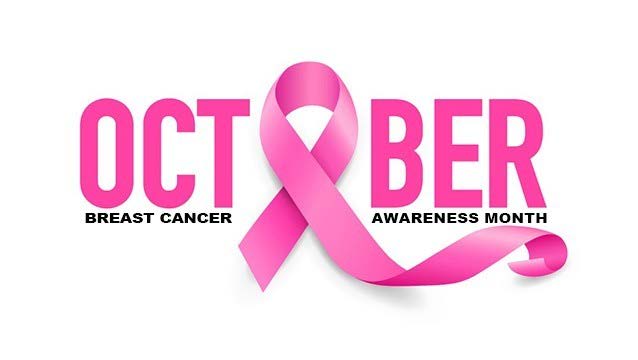
It’s time to speak up about breast cancer, and the month of October is dedicated to doing just that. As the most common form of cancer, it’s likely that someone in your life whom you care for deeply has been diagnosed with breast cancer. Given how prevalent breast cancer is and the repercussions it has on individuals and families affected, this month is a time to rally together and raise awareness about it.
In the United States, more women die from breast cancer every year than any other form of cancer. It’s currently estimated that 1 in 8 women in their lifetime will be diagnosed with an invasive form of breast cancer. Two of the greatest risk factors of getting breast cancer are female gender and older age, though men and younger women can get it as well. The statistics are alarming, and a diagnosis can feel daunting and isolating, whether it’s yourself or a loved one or family member who is receiving it. Fortunately, breast cancer research continues to thrive, which has led to improvements in screening processes and treatment success. These improvements have been given some of the credit for the slightly decreased death rate from breast cancer over the past several years. In order to take further advantage of the strides we’ve made in battling breast cancer, we must continue to educate our communities about the screenings and treatments available.
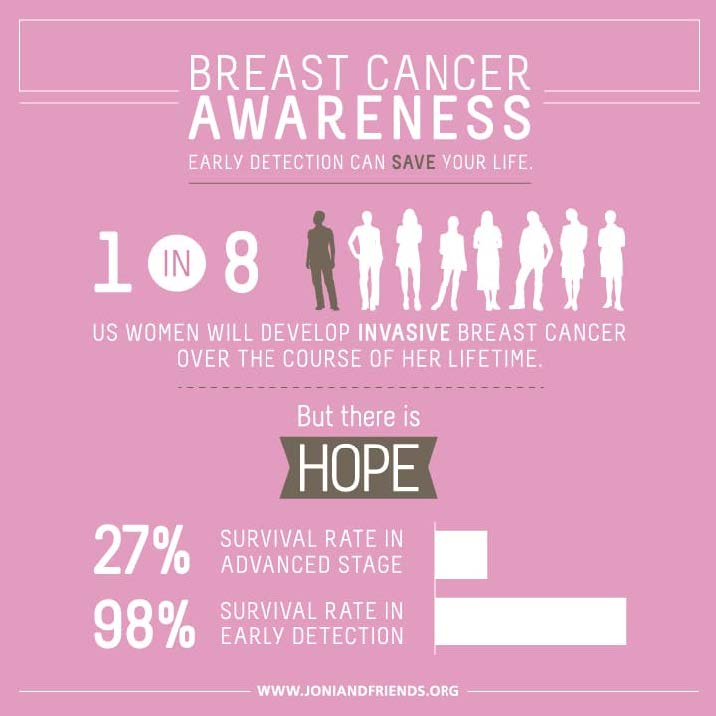
While there is no way to guarantee prevention of breast cancer, it is recommended that all adult women perform a breast self-exam monthly. This is a great way to self-monitor for any changes or abnormalities that may occur in the breast tissue. As you age, this becomes an even more important habit as age is one of the main risk factors. It is important to note that not every growth or lump felt in the breast tissue is a cancerous mass. Some non-cancerous masses are abnormal but do not grow outside of the breast tissue. While these lumps do not innately pose a risk, some of these growths can increase a women’s risk of getting breast cancer down the road. Any abnormality or change in your breast tissue that you notice or feel should be examined by a health professional immediately. Just under half of women diagnosed with breast cancer were diagnosed after noticing a lump during a self-exam, so the importance of this routine cannot be overlooked. In addition to regular self-exams, maintaining a healthy weight through exercise and a nutritious diet is another important way to reduce your risk of breast and other cancers.
Should you receive a diagnosis of breast cancer, take the time to find a team of doctors whom you are comfortable with and trust with your care. This team can include an oncologist, or cancer doctor, a surgical oncologist, a radiologist, a case worker, a registered dietician who specializes in cancer nutrition and possibly several other specialty providers. These individuals will be with you, alongside your personal support system, to make sure you receive the best care available from diagnosis on. Treatments and interventions will differ depending on the type of breast cancer you are diagnosed with and your doctors will help you navigate all of the options and should use their expertise to recommend the best course of action. Make sure you feel comfortable asking questions and engaging in your treatment plan. Your providers have the knowledge and the skill sets to provide excellent care, but it is just as important that you feel included in the decisions being made and prepared for the treatment road ahead.

Whether you are young, old, male, female, part of a high-risk category or not, it is our shared efforts in spreading awareness this month of October and all months following that will successfully raise awareness, education, and resources about breast cancer to every individual diagnosed and every family and friend supporting them. As a society working together, it is within our reach to decrease breast cancer diagnoses within our communities and to improve the outcomes and survival rates of those diagnosed.
National Breast Cancer Foundation, INC.