image of hand holding a marker writing words in a word cloud diagram; text reads - sepsis, disease, agar, surgeon, occupation, people, internist, bacteria, danger, care, insurance, patient, death, experiment, hospital, colony, white, mycobacterium, staphylococcus, identify, microbiology, healthcare, emergency, culture, streptococcus, diagnosis, coli, physician, aureus, infectious, clinician, cure, ill, treatment, health, man, nursing, science, biology, Medicare, pneumoniae, bacterium, diphtheria, Escherichia, illness, therapy, uniform, medical, antibiotic, research, identification, inflammation, technology, doctor, clinic, stethoscope, meningitis, laboratory, shock medicine, biochemistry, antimicrobial, poison, blood, infection, septicemia, professional, scientific

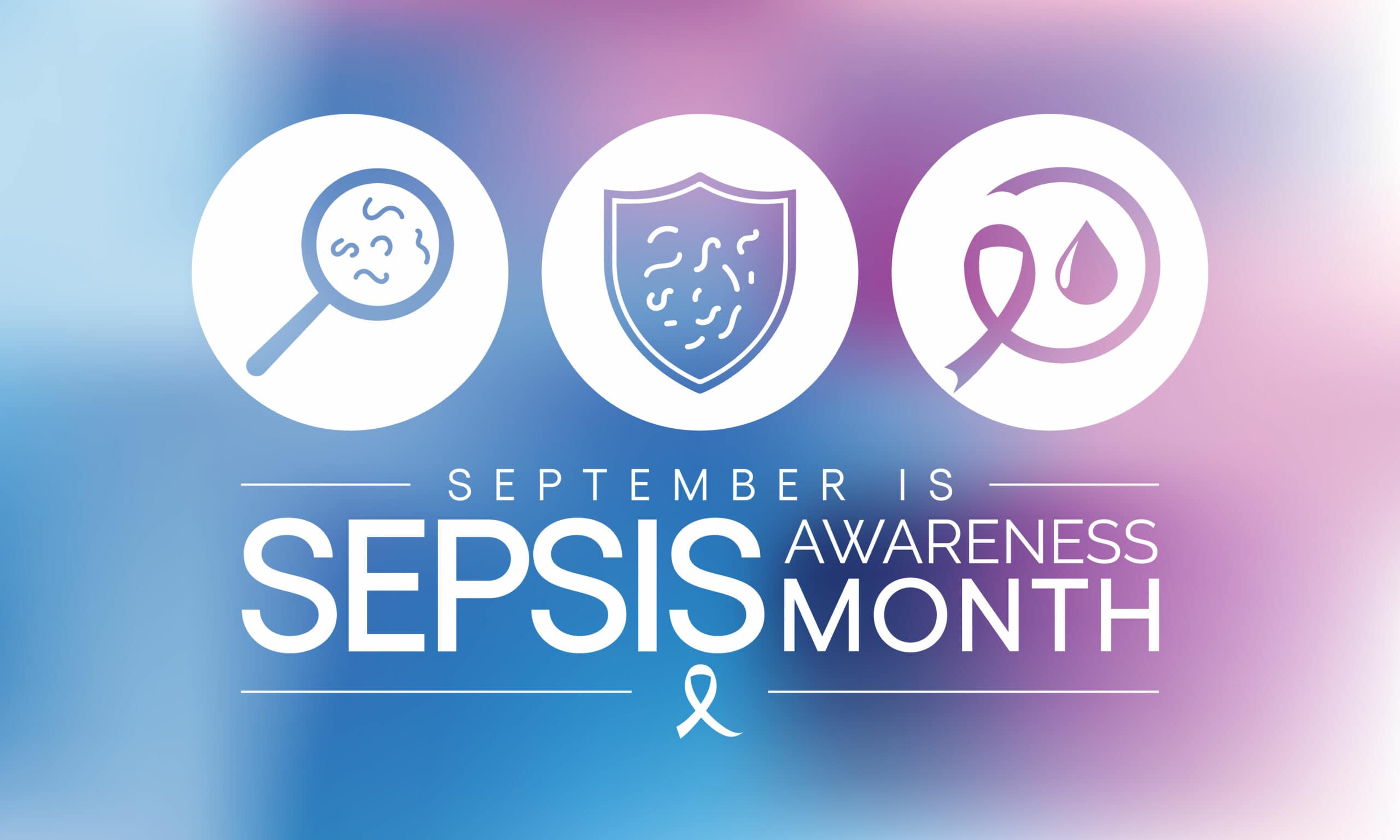
September is Sepsis Awareness Month

According to the CDC, in a typical year, at least 1.7 million adults in America develop sepsis and nearly 270,000 Americans die as a result of it. So, what exactly is sepsis and who is at risk? In honor of Sepsis Awareness Month, we want to answer these important questions.  

What is sepsis?

Sepsis is the body’s extreme response to an infection and can be life-threatening. Your immune system works to protect you from infections and fight off any that occur, but it’s possible for it to have an overreactive response to infection.

Symptoms of sepsis

Although a medical assessment by a healthcare professional is needed for a diagnosis, a patient who has sepsis may have one or more of the following symptoms:

Three stages of sepsis

There are three different stages of sepsis. Each has its own variation of symptoms a patient may experience. A patient can develop sepsis while they are still in the hospital recovering from a procedure, but that is not the only time/place it can develop. If you are experiencing any of the symptoms below, it is important to seek immediate medical attention. Seeking treatment early on can be lifesaving.

Sepsis

The first stage is simply called sepsis. Symptoms a patient may experience in this stage are:

Severe sepsis

The second stage is severe sepsis which occurs when there is organ failure. The following are common symptoms of this stage:

Septic shock

The third and final stage is septic shock. In this stage, a patient will experience the symptoms of severe sepsis plus a very low blood pressure.

Who is at risk?

Anyone can get sepsis, but some people have a higher risk of infection. Those at higher risk include:

How sepsis impacts seniors

Adults who are aged 65 or older are reportedly 13 times more likely to be hospitalized with sepsis than those who are younger. Researchers believe our immune system becomes less effective at fighting off infection as we age, which means older people tend to contract more infections that become more severe. Since each infection we get presents a risk of getting sepsis, this puts older adults at a higher risk of developing sepsis.

Any type of infection can cause sepsis but the most common among older people are respiratory such as pneumonia. COVID-19 has also become a strong risk factor for sepsis among older adults. Sometimes it is difficult to spot an infection right away in people who are aging. If an older person becomes confused or starts to behave in an unusual manner, it could be a sign of infection.

How to treat sepsis

Sepsis can quickly progress through the three stages and result in death if left untreated. Treatment includes:

Preventing sepsis

The best way to prevent sepsis is to prevent an infection. You can do this by:

What to do if you think you have sepsis

Sepsis is a medical emergency. If you or someone you love has an infection that is not getting better (or is getting worse), it is important to act fast. Get medical care immediately and ask your healthcare professional if the infection could lead to sepsis.

Recovery from sepsis

Recovery typically starts with rehabilitation in the hospital. This includes building your strength back up and receiving help with things like bathing, sitting up, standing, and walking. Upon returning home, it is normal to feel weak and fatigued and have difficulty sleeping. Some people also experience a loss of appetite which results in weight loss. To help keep the recovery process moving, you can rest and rebuild your strength, eat a balanced diet, and exercise if you are feeling up to it.

Some patients experience long-term effects of sepsis. These can include:

Calm middle-aged woman sitting in padmasana with eyes closed. Mature female holding hands pressed together in namaste and doing breathing exercises. Meditation and yoga idea

Benefits of Yoga for Hospice Patients

We’ve all heard how good yoga is for you, but have you ever thought about the benefits of yoga for hospice patients? Yoga is defined as a spiritual discipline that is widely practiced for health and relaxation that includes breath control, simple meditation, and specific bodily postures. All of these things can be used to help hospice patients and their families navigate through an emotionally stressful time.

A brief history of yoga

Yoga is a combination of spiritual, mental, and physical practices that originated in ancient India approximately 5,000 years ago. It was originally practiced primarily to cultivate spiritual harmony and enlightenment.

It started to become more popular in the late 1800s as it spread west. New practitioners viewed it as a path to inner peace and better health. Then, we saw what is called the ‘Modern Yoga Renaissance’ in the 1920s where the physical practice of yoga dramatically changed. Prior to this point, it really only consisted of a few standing poses. Today, yoga has become a key component of holistic health.

Learn more about the history of yoga here.

What yoga looks like for hospice patients

When we think of yoga, we often think of poses like downward dog or child’s pose or even the more complex poses that turn a person into a pretzel. However, before you can learn to twist and turn and pose like that, you must focus on something you already know how to do. In fact, you do it all day, every day: breathe.

In yoga, breath control is referred to as pranayama [pränəˈyämə], and it is essential. There are several forms of pranayama that can be done from the seated position. One example of this is Adham Pranayama. It can be performed either sitting or lying down, whatever is most comfortable. The focus of Adham Pranayama is ‘belly breathing,’ or breathing deeply into your stomach.  

So how do you do it, you ask. First, place one hand on your stomach and the other on your chest. Breathe in and out. Focus on moving only your abdomen, instead of inflating your chest. It’s as simple as that. Practicing Adham Pranayama has several benefits, including reducing insomnia, providing oxygen to the body, and relieving stress.

There are many other forms of pranayama that can be done anywhere and in comfortable, seated positions. You can learn more about them here.

Why hospice patients should consider yoga

Yoga can easily be adapted to fit the needs and ability of the person doing it. Plus, it can be done anywhere- from a yoga studio to the comfort of your own home, even from your bed! Not to mention the benefits of mindful breathing. This can be an incredibly difficult time for patients and their loved ones. Taking time to truly focus on your breathing can provide a break in the stress and anxiety you may be feeling. Plus, it can be done together, helping to reduce everyone’s stress while also creating peaceful memories you’ll have forever.

Person's Hand Placing Last Alphabet Of Word Stress

Caregiver Stress Awareness in Hospice Care

By: Joelle Jean, FNP

Caring for a loved one who is terminally ill and on hospice is emotionally and physically taxing. In 2015, an estimated 39.8 million caregivers provided unpaid care to an adult with a disability or illness. The estimated value of the service supplied by caregivers is up to $470 billion since 2013.

Caregivers may deny help from others, perhaps out of guilt or obligation. However, 1 out of 6 caregivers report not being asked what they need to care for themselves. Caregivers can work up to 8.3 hours per day or 66 hours per week during their loved ones’ last days of life. Often, this is in addition to working a full-time job and caring for their own immediate family.

Caregivers are at risk for depression, severe fatigue, or burnout, or even health issues such as hypertension, stroke, obesity, or weight loss due to stress.

What is a caregiver?

A caregiver, also known as an informal caregiver, is an unpaid individual or group of individuals who provide care to a loved one. Caregivers can be a spouse, family members, partner, friend, neighbor, or combination of these individuals.

A caregiver assists their loved ones with activities of daily living which include:

A caregiver can also play a significant role in coordinating care for their loved ones. Many are appointed power of attorney or the primary decision maker for their loved ones, managing finances, property, and most suitable medical care for the individual.    

What causes caregiver stress or burnout?

There is no clear definition of caregiver stress. The Merriam-Webster dictionary defines stress as “a physical, chemical, or emotional factor that causes bodily or mental tension and may be a factor in disease causation.” Burnout can be a response to stress, defined as extreme emotional exhaustion. According to stress.org, stages of burnout are:

  1. Enthusiasm
  2. Stagnation
  3. Frustration
  4. Apathy or loss of interest

A caregiver with stress or burnout exhibits signs of feeling overloaded, overwhelmed, emotionally drained, tiredness, detachment from the person they are caring for, and a reduced sense of accomplishment.

Who is most affected by caregiver stress?

Caregiver stress affects the person or people directly caring for their loved one. Stress can also affect caregivers in different ways. For example, one caregiver may find specific tasks stressful or overwhelming while another caregiver may find the task relaxing and rewarding.

What are the signs and symptoms of caregiver stress?

Often, caregivers are not aware of their stress or feeling of burnout. Signs and symptoms of caregiver stress can be subtle or obvious. It is important to identify caregiver stress so it can be eased.

Anxiety

Anxiety is a stress response, activating the fight or flight response that happens chemically in the brain. Physically, anxiety can be described as:

Fatigue

Caregivers suffering from stress may not realize they are fatigued. Fatigue is the body’s response to burnout and can be physical, emotional, or psychological.

Weight changes

Stress can cause weight changes and affect eating patterns. Weight change can occur when dealing with caregiver stress. Rapid weight gain or unexplained weight loss is a warning sign of caregiver stress and should be addressed appropriately.

Irritability

Caregivers may become easily annoyed or short-tempered with loved ones, family members, or friends. Feeling irritable may be a warning sign of caregiver stress.

Feelings of being overwhelmed

Feeling overwhelmed or anxious is normal. Caregivers may become overwhelmed with the amount of care needed to provide to their loved ones. Trouble concentrating, changes in sleep patterns, and changes in eating habits may occur.

Depression

Losing interest in activities can be a sign of depression due to the demanding responsibilities of caregiving. Signs of depression include:

Potential health risks as a result of caregiver stress

Chronic stress (or stress lasting for more than six weeks) can have lasting health problems. Caregivers exhibiting signs and symptoms of stress and burnout have a higher chance of developing health risks.

High blood pressure

Caregivers can suffer from high blood pressure due to the stress of caring for a loved one in hospice. If caregivers have already been diagnosed with high blood pressure, stress can make the disease worse. Uncontrolled high blood pressure puts caregivers at higher risk for:

Weakened immune system

The immune system is in place to protect the body from illness and disease. Stress can cause a weakened immune system. With a weakened immune system, caregivers can become sick or develop chronic illnesses such as:

Short term memory loss

Studies have shown that a symptom of chronic stress is the shrinking of the brain. Shrinking of the brain causes short-term memory loss. Short term memory loss affects learning, judgement, and memory process. 

Headaches and body pains

Stress can cause headaches and body pains. On a hormonal level, the increase of cortisol causes headaches even at rest. The physical nature of caring for a loved one on hospice- lifting, standing, walking, and rotating- can cause severe body pain or injury. 

How to relieve or prevent caregiver stress and burnout

Self-care is imperative for caregivers caring for their loved ones in hospice. Self-care means caring for yourself, so you can improve your health to care for others.

Exercise regularly

Finding the time and the energy to exercise might sound difficult. However, even carving out 30 minutes a day has positive effects on your health. Exercising whether it is running, walking, swimming, or doing yoga will lower blood pressure, increase energy, and improve mood.

Asking and accepting help from others

Accepting help can be difficult for some caregivers. It is important to ask and accept help so that you are available for your loved one mentally and physically.

Under most insurances and Medicare, respite care is available to relieve the burden of caregiver stress. Respite care will give short term caregiver relief to those who are in need.

Eat and sleep well

Eating and sleeping well are fundamental in protecting your physical and mental health. A well-balanced meal of fruits, vegetables, and plant-based foods is important for physical and mental well-being. Adding vitamins such as a multivitamin, vitamin D, or vitamin B-12 can also help improve your mood and energy.

Having a good night’s sleep has many health benefits. Feeling well-rested and energized will only benefit you, as the caregiver, and your loved one. Improved memory, mood, and overall well-being are all benefits of quality sleep.

Seek out support groups

Support groups add immense value to caregivers who are caring for loved ones in hospice. Joining support groups reassures caregivers that they aren’t alone. Support groups:

Maintain personal relationships

Maintaining personal relationships is as important as joining support groups. Meeting up with friends or family members allows you to relax. It also allows you to take time for yourself and time away from your loved one. 

Awareness of caregivers’ stress and burnout must be addressed and acknowledged for caregivers to feel supported and recognized for their challenging work. The hospice team and its services are a fundamental part of bringing this awareness to the forefront.

Panorama of happy caregiver supporting smiling elderly man in the nursing house

Hospice and Palliative Care: What’s the Difference?

The terms ‘hospice’ and ‘palliative’ care often get confused. Although they are similar, there are differences between these two types of care.

What is hospice care?

The focus of hospice care is on quality of life when a cure is no longer possible or when the burden of treatment outweighs the benefits. In general patients receiving hospice services have a life-expectancy of six months or less if the illness runs its usual course. Many people think hospice care is just for elderly people or cancer patients, but that is not the case. Hospice benefits people of any age, with any life-limiting illness. The goal of hospice is to provide comfort care by managing pain as well as providing emotional and spiritual support to the patient and their family.

Where is hospice care provided, and who is involved?

Hospice care can be provided anywhere the patient calls home, including nursing facilities in which they may reside. It involves an interdisciplinary team that includes:

What will the hospice team do?

The interdisciplinary hospice team will focus on things like:

What is palliative care?

Palliative care, like hospice, focuses on quality of life. The difference is that palliative care is appropriate at any stage of a serious illness, not just at end-of-life. It’s an extra layer of support that treats the symptoms of an illness and supports the entire family. Patients who are receiving palliative care can continue to receive curative care such as chemotherapy, radiation, dialysis, and surgery.

Where is palliative care provided, and who is involved?

Patients can receive palliative care in settings such as hospitals, nursing homes, specialized clinics, and at home from a team of specially trained doctors, nurses, and other specialists. This team will work closely with the patient, their family and caregivers, and the patient’s other doctors to ensure everyone is on the same page.

What will the palliative care team do?

The palliative care team offers services such as:

A side-by-side comparison of hospice and palliative care

The chart below can be used to help gain a better understanding of the difference between hospice and palliative care.

Please contact us if you have any questions about the quality hospice services Grane Hospice provides.


Hospice and Palliative Care - What's the Difference - Grane - comparative chart
Close Up Of A Relaxed Young Woman Having Reiki Healing Treatment

Reiki: A Modern Yet Ancient Healing & Relaxation Practice

By: Genna Hulme, Certified Nursing Assistant


Today is National Relaxation Day; and while we could talk to you about reading your favorite book in a bathtub full of bubbles, we are instead going to share with you an ancient healing and relaxation practice that is becoming widespread again: Reiki.

What is Reiki?

Reiki is a very unique form of energetic healing. Using the body’s natural energy flow, it has the ability to balance out disrupted or distorted energy in and around the body’s energetic field. This makes the client feel generally better all around. Reiki is used in multiple health fields around the world making it a fast-growing treatment for therapy purposes as well as a great way to compliment current treatment for many ailments.

Reiki is an ancient form of Japanese healing. It is said to have been passed down for thousands of years from teachers to students. The word itself means Source Light Energy, “Rei” meaning source light and “Ki” meaning energy. Much like other forms of energy-based healing, such as the well-known Tai-Chi, Reiki is learned in a form that is more of a private setting between the teacher and the student. In these classes, the student learns the history of Reiki and how it became widespread today. The student also learns certain hand techniques that help them smooth out the energy, and ways to feel energy as well as its disruptions.

Finding relaxation in the chaos

We now live in a world of burnout, leaving people feeling drained, depressed, stressed out, etc. Every day, we as humans are set up to operate in a way that brings us many challenges. These challenges may cause stress, leaving our thoughts and emotions in a cloud, creating depression, and other mental health issues. If one has a physical health issue, it could have been rooted into the stress of environmental factors. These physical and environmental issues can create some distortions causing a person to have judgmental impairment of basic life decisions. When there is impairment, it plays a domino effect making that person’s thought processes chaotic, hence bringing chaos in their life.

During this process, it is important that we keep up with self-care and restoration. Using Reiki is an excellent way to help! During a typical session, the Reiki Practitioner has the client relax in a sitting or lying position. The client will be instructed to take a few deep breaths as the room is filled with aromatherapy and soothing music. This will help the client physically start to relax. The practitioner will scan their hands over the client feeling for energetic disruptions in their field. When there is a disruption, the practitioner will then meditate and breathe as the “clouded” energy dissipates leaving the client feeling relaxed and stress free. This can last for as long as the client needs. Reiki sessions may last anywhere between 45-120 minutes.

A modern yet ancient practice

Today, Reiki is growing widespread throughout the world. This old/new practice is giving the medical field more options for patients dealing with any life crisis. Cancer treatment centers now include Reiki as a part of the treatments received. It can also be seen in Physical Therapy offices and Athletic Therapy offices. Some Chiropractors also use it as a part of pretreatment for body alignment. Some hospices also use it as a free treatment from a volunteer who is kind enough to offer! Reiki is also being used as an employee wellness practice to aid employees who work in stressful environments. This gives them the opportunity to be able to clear their minds and organize their thoughts, causing them to perform better and be relieved of the stress and “noise”. 

Reiki is a very unique process of healing. As an ancient practice, it definitely has potential to help aid us while we go through our toughest times. With just a few sessions, it will aid the body’s natural energetic functions to generate a better flow causing the client to relax and clear their head.  Whether it is through a job, ailments, or family dynamics, taking time out for self-care will help make some positive changes in ways of thinking and lives, allowing the client to take back control of their mind, body, and soul. There are many opportunities out there for anyone to receive Reiki since it is our birthright to make time and space for ourselves.

Namaste! 

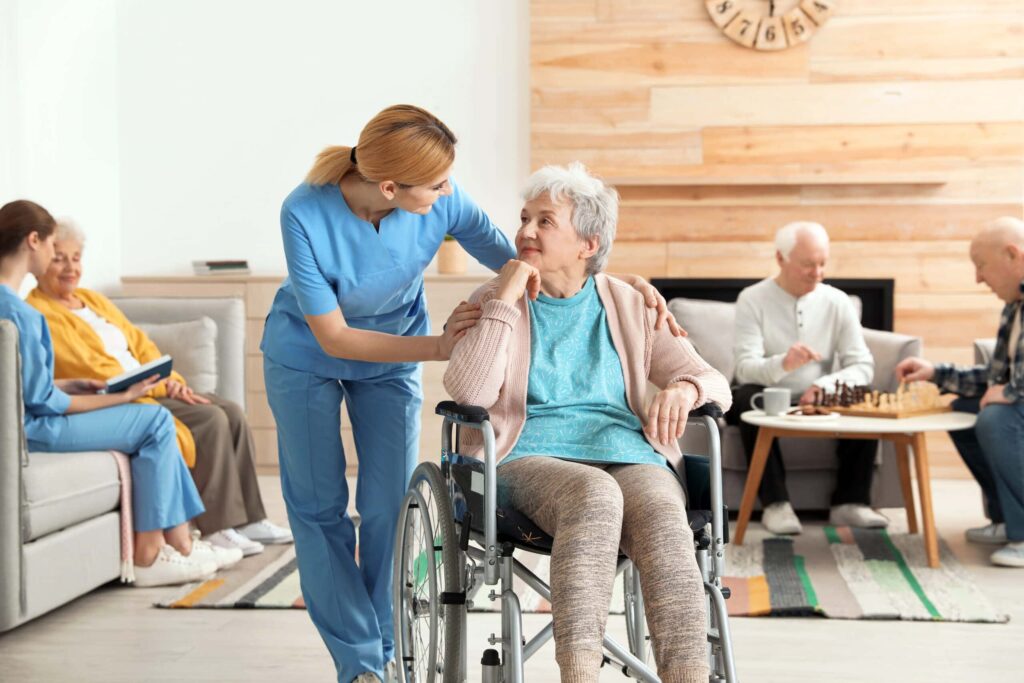
Nurses assisting elderly people at a retirement home

Hospice Services for Nursing Facilities

By: Dr. Margarita David DNP, RN

Having a hospice provider working as a partner with a nursing home may improve the quality of care a nursing home resident receives during end of life. Many studies have shown that having a hospice presence in nursing homes reduces hospital readmissions, improves the facility’s performance scores, and facilitates conversation between the resident and their families regarding end-of-life treatment options.

The difference between nursing homes and hospice

When a loved one’s health condition declines, the decision to transition to comfort care is not an easy one. However, before a decision is made you must know the difference between a nursing home and hospice.

Hospice care services

Hospice is an approach to care for people experiencing a life-limiting illness. It offers comprehensive services that address the physical, spiritual, social, and emotional needs and preferences of the patient and family. The hospice team includes nurses, doctors, social workers, certified nursing assistants, and chaplain and bereavement services to ensure that the patient receives medical, physical, emotional, and spiritual support in any place the patient calls home.

Nursing homes and long-term care facilities

Nursing homes and long-term facilities serve as a place where the patient lives and needs assistance with activities of daily living such as bathing, dressing, and toileting. Care is provided by trained nurses that are ready to handle the nursing and medical requirements of the residents.

Patient hospice care eligibility

For a resident to qualify for hospice care, the resident must meet the hospice eligibility requirements that have been established by the U.S. Centers for Medicare & Medicaid Services (CMS). Although there is not a standardized list to qualify, CMS guidelines help with determining if a resident’s condition is appropriate to receive hospice care.

Role of hospice in long-term care homes

Hospice care is provided wherever an individual resides, which includes long-term care facilities and nursing homes, and provides specific services at the end of life to residents and their families. The long-term care facility staff provides residential, custodial services to the resident, while hospice care tends to the end-of-life needs. This is what makes hospice and the long-term facility mutually beneficial to each other. Here are few examples of the role hospice plays in long-term care facilities:

  • Specialized skill sets. Hospice staff provide additional expertise to the long-term care facility which include quality of life and comfort during the end-of-life phase. Additionally, once the resident has passed the family is provided with grief support.
  • Improved resource management. The hospice team will coordinate everything related to the hospice plan of care, including medications and coordinated care for the resident that includes their primary doctor, hospice doctors, hospice aides, and hospice nurses.
  • Expert medical education. The hospice team provides education that focuses on the resident’s condition, symptoms, and medications.

How hospice can assist nursing home staff

The hospice team and the nursing home staff share the responsibility for the resident’s end-of-life care.

Upskilling

The nursing home’s staff has a key role in the care of residents since these professionals are often the first individuals to notice changes in the resident. It is important to educate nursing home staff on recognizing signs and symptoms of end-of-life and when to notify the proper healthcare provider. The hospice team provides education that focuses on the resident’s condition, symptoms, and medications, and how to best care for a resident’s medical needs.

Coordinating patient care

Hospice staff helps in the coordination of the resident’s care and medications needed across all their healthcare providers, hospice team, and nursing home staff. This coordination of care assures proper communication and gives the resident’s family the ability to have questions answered.

Find expert hospice care with Grane Hospice. Contact us to learn more.

.

COVID-19 and Guilt

By: Michael Larrimore, Director of Bereavement and Chaplain Services

u201cGuilt is perhaps the most painful companion of death.u201d

-Coco Chanel

Feelings of Anger and Guilt

Anger can be a common emotion we experience when we have lost someone close to us. We seek someone to blame or someone to hold responsible, someone who could have altered fate to erase what happened, and sometimes our target is the person looking back at us in the mirror. Guilt is a form of anger turned inward, and it can be one of the most challenging emotions to overcome. We look back on the time proceeding our loss, searching for something we missed, what we could have done differently, or ways we could have convinced our loved one to seek out a different course of action. Sometimes we look back and wish we had said something that we kept inside or kept something inside we regret saying.

The Impact of COVID-19 on Guilt

Guilt is complex, and since the beginning of the COVD-19 pandemic it is more pervasive than ever. We might feel guilty because we were unable to visit a loved one during their final days, even if this was a result of precautions or restrictions outside the realm of our control. We might feel guilty for not taking the threat as seriously as we should have, ignoring or forgetting to take the appropriate precautions. Maybe we feel guilty we survived the virus when so many others, including people we knew or loved, succumbed to this terrible disease. This last form is often referred to as u201csurvivoru2019s guilt,u201d and it can be very common among people who live through difficult or traumatic events. We are often ill-equipped to deal with any loss, but no one was prepared for something as widespread as COVID-19.

Managing Feelings of Guilt

If you, like so many others, are struggling with guilt related to the pandemic, it can be difficult to find a way to shake how you are feeling. Here are a few things to keep in mind when you are trying to deal with your guilt feelings:

u00a0

  • Is your guilt genuine or self-inflicted? Our guilt may be genuine if through action or inaction someone came to harm or was affected in a negative way. For many people guilt is self-inflicted, where we are seeking to have some measure of control over a situation that may be outside our control and blaming ourselves is easier than accepting there was nothing that could be done. Many events of the pandemic were outside of our control and acknowledging that can be a good way to start healing.
  • It can be important to forgive someone who has wronged us so we can move past it, and we must find a way to have compassion and forgiveness for ourselves and make amends if appropriate. Even if the person we feel we wronged is no longer with us, there are ways to seek forgiveness. We can find support through our personal faith, through loved ones associated with the person who is gone, or even by writing a letter expressing our regrets to the deceased.
  • It can be easy to get lost in the negative, but it is necessary to take time to look at the positive things we did or tried to do. Instead of beating yourself up for not being able to spend as much time as we wanted with the person, focus on the efforts you made to stay connected to them. Instead of wishing you could have done more to care for them, focus on all the things you did to help them. When you start to slip back into negative thoughts, try to reframe your thinking to positive memories and encouraging self-messages.

u00a0

The above suggestions are just a few ways to start down the path to forgiving yourself and getting past your feelings of guilt. If you or someone you know is struggling with issues related to COVD-19 or any other difficult life event, there is help and support available in your community. You can call our agency anytime and our family support staff will help get you to the help you need. You can also reach out to the National Alliance on Mental Illness at 800-950-6264 or if you or someone you know is struggling with thoughts of self-harm please contact the National Suicide Prevention Lifeline at 800-273-8255.

Heart Failure and Hospice

By: Marisol Ramirez, RN

Now more than ever, it is imperative to manage serious conditions in the comfort of a patient’s home. Physicians, patients, and families can all agree that a caring and competent team is needed for optimal patient care. Under this joint effort, patient outcomes improve and overall healthcare costs lower for patients, specifically those experiencing congestive heart failure (CHF).

Caring for a loved one with heart failure in hospice

Making decisions for a loved one with heart failure can be difficult. You want the best care for your loved one.

  1. But how do you know when hospice care is the best option for your loved one experiencing advanced heart failure?
  2. Does having hospice mean that your loved one will be placed far away in a nursing home type of facility?

If you have some of these questions going through your mind, you are not alone.

The beauty of hospice care is that it does nothing to either hasten or postpone death. Instead, the focus is to provide the patient with the best quality of life, provide comfort measures, and ensure the patient is safe and pain-free. We can provide hospice care in the comfort of the patient’s home or at a compassionate facility, depending on their needs and preferences.

What is congestive heart failure?

Congestive heart failure (CHF), also known as heart failure (HF), happens when the heart is no longer able to pump blood throughout the body adequately. There are several different reasons why the heart’s pumping efficiency becomes impaired:


    • Coronary Artery Disease (CAD)- arteries become blocked or narrowed
    • High Blood Pressure/Hypertension
    • Heart valve disorders
    • Heart rhythm abnormalities
    • Thyroid disorders
    • Viral infections


At first, the heart may try to compensate, so it works harder to continue to meet the body’s demand. Eventually, the heart becomes damaged and overwhelmed due to the excessive demand on it to supply blood, oxygen, and nutrients to all vital organs and tissues. Heart failure soon begins to manifest itself.

Common signs and symptoms of heart failure

    • Shortness of breath
    • Difficulty breathing even while at rest or lying flat
    • Chest pain
    • Fluid retention- often appears as swelling of feet, ankles, abdomen, and fluid build-up in the lungs

What are the different stages of heart failure?

Signs and symptoms that the patient may feel vary depending on how far along the disease has progressed. The New York Heart Association explains heart failure stages.

Class A

Heart failure is in the beginning stage. Patients may not be aware since they can perform physical activity without experiencing fatigue or shortness of breath on exertion.

Class B

Patients begin to notice a decline in their physical activity. This happens as they begin to experience increased:


    • Weakness
    • Fatigue
    • Heart rate
    • Difficulty breathing
    • Chest pain


But when at rest, they may feel no symptoms and feel comfortable.

Class C

Minimal and ordinary activities become more difficult to complete. Their decline in physical activity participation becomes more prominent as they continue to feel increased weakness, fatigue, increased heart rate, difficulty breathing, and chest pain. But again, when at rest, they may feel no symptoms and feel comfortable.

Class D

Patients can no longer complete physical activities and experience the classic signs and symptoms of heart failure (weakness, fatigue, shortness of breath, chest pain) even while at rest.

Tracking symptoms and treatments through the stages of heart failure in hospice

Having peace of mind while living with heart failure is important. Grane Hospice Care strives to ensure that your loved one is competently taken care of through the disease process. Competent and skilled nurses perform routine assessments to accurately track the symptoms and administer treatments prescribed by the medical team.

How to treat heart failure with hospice at home

Treating heart failure at home is definitely a team effort, involving the patient, their family or caregiver, and the medical team. Your healthcare team’s goal is to provide the patient and their families with the tools needed to prevent exacerbation and provide strategies to prevent a CHF crisis. Your loved one will feel more in control by implementing simple ways to track their symptoms.

Monitor blood pressure

Daily blood pressure monitoring is essential. Keeping blood pressure under control and in normal ranges will help the heart from over-exerting itself. Our expert nurses will teach the patient and family the implications of healthy blood pressure. They will also explain the normal parameters as recommended by the team of physicians.

Daily weigh-ins

When cardiac performance is deficient, this causes a decrease in cardiac output. In turn, this causes the kidneys to retain water and salt. This extra fluid can typically accumulate in the legs, ankles, feet, abdomen, and lungs. This increase in water retention causes an apparent weight increase. Thus, it is recommended that daily weights be completed and weight gain be closely monitored. Generally, any weight gain of more than 2-3 lbs a day or 4-5 lbs in five days means you should contact your nurse or physician.

Diet

Having a well-balanced diet is important. Incorporating fruits, vegetables, and whole grains is beneficial. However, the most important element to monitor in the diet is sodium (salt) intake. Sodium hides in many foods. Your doctor will tell you exactly how many milligrams to include in your diet. Remember, sodium attracts water. So, you want to avoid water from accumulating to ease the workload on your heart.

Follow medication instructions

Managing your medications used to treat heart failure may cause some fear or anxiety. This may seem like a daunting task for a family caregiver as well. But be at peace knowing your healthcare team will provide expert medication management and education. There are things you should be aware of with medications. For example, diuretics (like Lasix), also known as water pills, help the body eliminate excess water in the tissue. As the diuretics do their job of taking out the unwanted water, it may also cause your body to get rid of essential electrolytes that your body needs for essential functions. Your hospice team will:

    • Help you understand your medications & identify side effects of the medications you take
    • Help you get refills
    • Teach you the importance of staying compliant with your medications
    • Ensure you get regular lab work done to monitor the levels of medications such as Digoxin
    • Ensure you stay hydrated and stay safe while taking your diuretics

Good sleep habits

Research has indicated that good sleep habits affect heart health. Having a good night’s rest, with 7-8 hours of sleep per night, is important in the body receiving sleep benefits. As the body enters into the deep stage of non-rapid eye movement (NREM) stage, the body’s heart rate slows down, blood pressure decreases, and breathing becomes more stable. This becomes important in patients with heart failure because it can help reduce the heart’s workload.

Overall, getting adequate rest allows the body to recuperate. Thus, receiving hospice care at home is essential. This can eliminate frequent night interruptions that are more likely to happen if a patient is in a nursing home facility or a hospital setting.

The role of the caregiver

Taking on the role of caregiver may be challenging, but it doesn’t have to overwhelm you. The caregiver is usually a close relative of the patient, who becomes an advocate for the patient, caretaker, and perhaps the person running the household chores and responsibilities. Having a reliable caregiver available is key. Your Hospice case manager will talk to you to offer support and ensure you have the adequate services available to fill in the gaps for when you need help. Some questions to ask yourself are:


    • Will my emotions of grieving the soon loss of a loved one get in the way of me properly caring for him or her?
    • How will my other responsibilities, if any (ex: jobs, family duties, household chores, etc.), prevent me from performing my caregiver role?
    • Do I have the courage to delegate duties and responsibilities to others when I need help?
    • What services does Medicaid or Medicare offer in providing personal care services to a sick loved one?


We are here to support you every step of the way.

The benefit of in-home hospice services

In-home hospice services bring benefits to the patient in the comfort of their home. Our hospice care team provides the following benefits:


    • Case management and coordination of all services needed by the patient
    • Routine and as-needed skilled nursing care to assess patient status, administer medications or treatments as needed, control pain, and symptoms
    • Continuous care up to 24 hours if a crisis occurs
    • Inpatient care as needed for extra help
    • Respite care up to five days for families who need a little break
    • Bereavement services
    • Medical equipment, supplies, and medications pertaining to the hospice diagnosis
    • Specialty services such as Music Therapy and Pet Therapy

How Grane teams up with physicians to individualize heart failure patient care

Living with heart failure can be very difficult for patients psychologically, physically, and emotionally. These patients and their families have special needs that can only be met by caring clinical professionals and skilled nurses. Some reasons why more physicians are choosing to team up with Grane Hospice:

Keeping you at home

Staying at home with familiar surroundings is beneficial to the patients. Studies and surveys have demonstrated that patients receiving care at home are more at ease psychologically and emotionally.

Individualized care

Every patient is unique and may have different needs depending on their stage of the illness. Our team ensures that individualized care is provided and that personal attention is given to every patient.

Reduce healthcare costs by reducing rehospitalizations

Reducing cost is important. However, it becomes even more important for patients experiencing advanced heart failure to prevent exacerbations, leading to rehospitalization. Rehospitalizations debilitate the patient’s overall health and place them at risk for faster deterioration. Studies have shown that patients receiving healthcare at home have higher chances of avoiding complications.

Education

Ever felt fearful of the unknown? What should you expect with a heart failure diagnosis? Education is key in alleviating fears and gaining clarity in understanding the nature of CHF.

Patients and their families can have peace of mind knowing We will provide them with an easy-to-follow educational program designed specifically for patients experiencing CHF. Key educational teaching points provided by the healthcare team:


    • The nature of CHF
    • Signs and symptoms associated with the disease, ex: fatigue, angina
    • How to manage signs and symptoms
    • How to create an emergency care plan
    • Nutritional education and what foods to avoid
    • Medication management


Remember, you are not alone as you navigate through this process of advanced heart failure. Grane Hospice’s mission, along with our collaborating physicians, ensure that the best possible care is provided. Remember, you are the reason why physicians decide to collaborate with Grane Hospice. Your health and safety at home is a priority.

Search Apreva Hospice