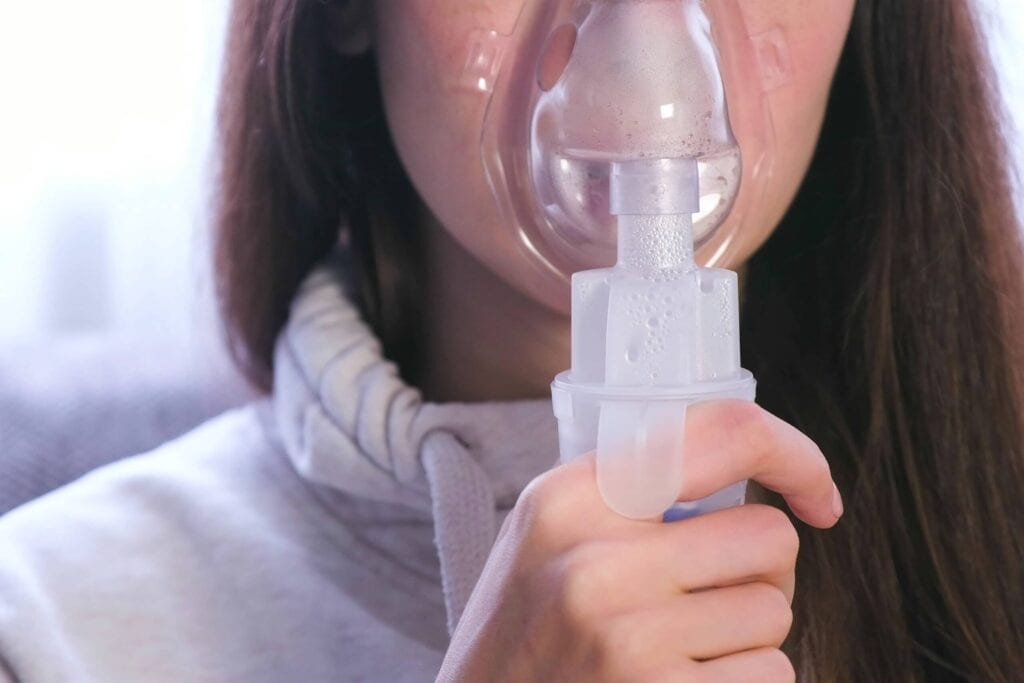
According to the Cystic Fibrosis Foundation Patient Registry, more than 30,000 people are living with cystic fibrosis in the United States with approximately 1,000 new cases diagnosed each year.
Cystic fibrosis (CF) is a progressive, genetic disease that causes persistent lung infections and limits the ability to breathe over time. In order for someone to develop CF, they must inherit two copies of the defective CF gene – one copy from each of their parents. Both parents must have at least one copy of the defective gene in order for their child to develop CF.
It is a multistep process to diagnose cystic fibrosis. It typically includes a newborn screening, a sweat test, a genetic or carrier test, and a clinical evaluation. More than 75% of people with CF are diagnosed by age 2 but some are diagnosed as adults.
It is a complex disease, and the types and severity of symptoms can vary greatly from person to person. Some symptoms include:
Each day, people with CF complete a combination of the following therapies:
Visit the Cystic Fibrosis Foundation website to learn more about how you can help raise awareness and get involved!

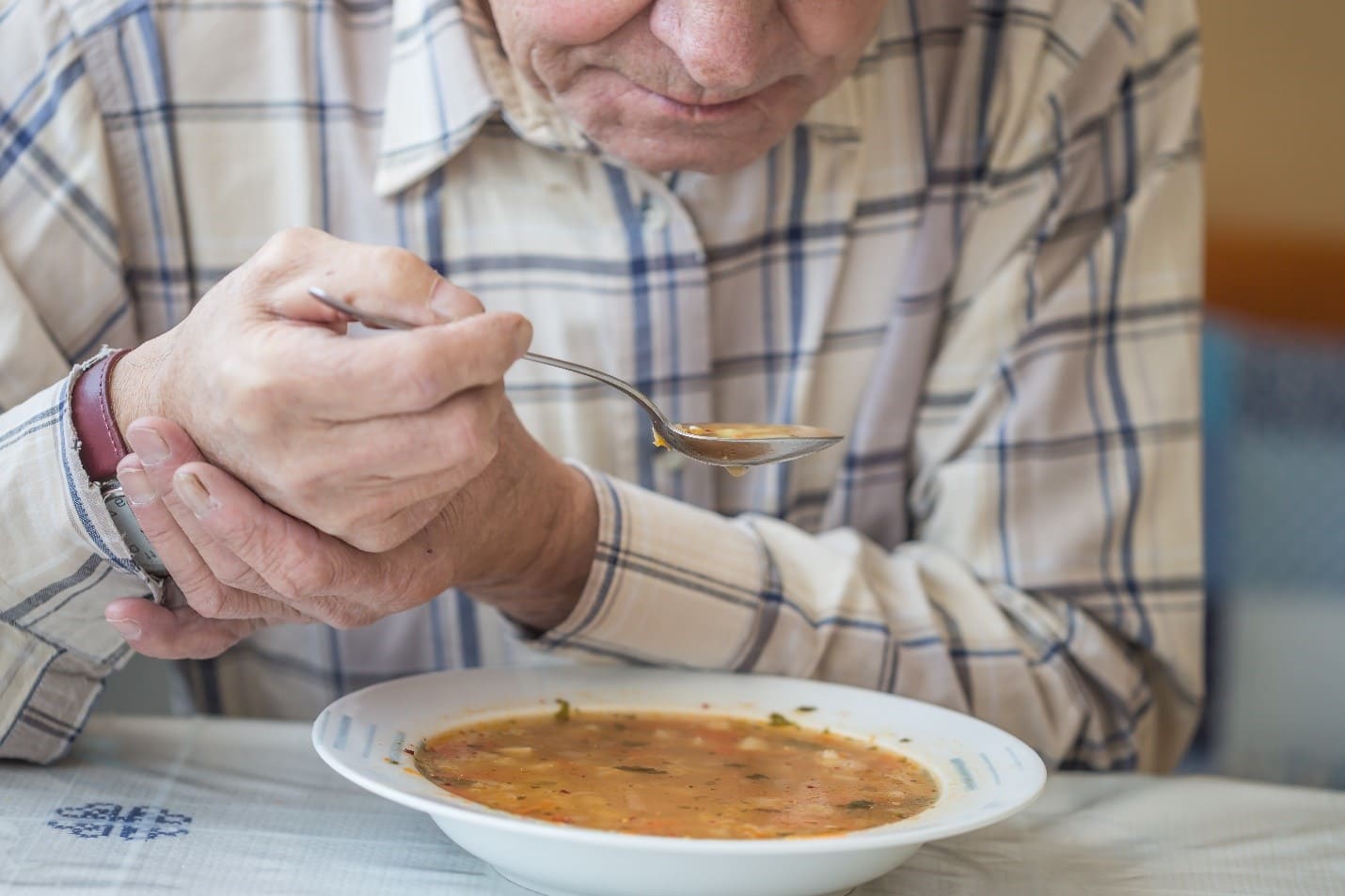
Parkinson’s disease (PD) is a neurodegenerative brain disorder for which there is currently no cure. However, there are many different treatment options to manage symptoms of the disease.
Symptoms typically develop slowly over the years, but this can vary from patient to patient. While one of these symptoms on their own is not cause for concern, you should contact your doctor if you are experiencing more than one.
It can be challenging to live with Parkinson’s, but – in addition to working with your doctor and following recommended therapies – there are things you can focus on to help maintain your quality of life, including:
In honor of Parkinson’s Awareness Month, the Parkinson’s Foundation invites you to take the #KnowMorePD quiz to see how much you know about the disease. Anyone who takes the quiz during the month of April will be entered in a weekly drawing for a $25 Amazon gift card. At the end of the month, one grand prize winner will receive a new Kindle Paperwhite pre-loaded with 12 of the foundation’s educational books on PD.
You can find an abundance of resources on the Parkinson’s Foundation’s website, including, advice for newly diagnosed, living alone, and Veterans and PD.
 April 25th is National DNA Day, commemorating the successful completion of the Human Genome Project in 2003 and the discovery of DNA’s double helix in 1953. The goal of this day is to offer students, teachers, and the public an opportunity to learn more about the latest advances in genomic research and explore how these advances may impact their lives.

We celebrate you for your dedication to taking care of your loved one. You work tirelessly to ensure they have all they need, often after coming home from full-time jobs and hectic schedules of your own. But in all of your daily appointments and to-do lists, does it say ‘self-care’ anywhere? While we recognize the importance of taking care of your loved one, we also want to remind you of how imperative it is that you also take care of yourself.
We know you have grown accustomed to putting everyone else’s needs before your own. And we know you may feel guilty and think you are being selfish by taking time for yourself. But that is not the case. No, there are not enough hours in the day. And yes, you have so many other things you need to do. But if you do not take care of yourself, you will not be able to effectively take care of those who need you. If you are overtired and burnt out, how much help and support can you really provide? So think of it this way: it is actually helping the ones you love when you take care of yourself. Because with a little ‘me time,’ you can be the best version of you for those you love.
Sometimes all you need is someone to talk to who truly gets what you are going through. That support can come in the form of a friend, family member, or even a Facebook group for others in your shoes. There are groups for people caring for elderly parents, caring for a loved one with Dementia, and so many more! There is even a group where you can ask questions and get answers from award-winning nurse and end-of-life educator Barbara Karnes.
So don’t forget to add ‘take care of me’ to your to-do list and take some time for yourself. You are not selfish for doing so. You deserve it. And you need it.
Apreva Hospice

In honor of National Healthcare Decisions Day today, we invite you to take a moment to think about what your wishes are in the event of a medical crisis. This past year, COVID-19 has highlighted the importance of discussing your wishes with your loved ones and documenting these wishes in the form of an advance directive.
Far too often, this conversation gets put on the back burner and people find themselves in a medical crisis with no plan. When this happens, it may be too late to receive the care you wanted.
It includes completing an advance directive, also known as a living will. This is a written statement that details your wishes for medical treatment should you be unable to communicate these to your doctor or healthcare provider yourself. Advance care planning also includes appointing a power of attorney (POA). This person will be responsible for making your healthcare decisions if you are unable to speak for yourself.
These are important steps to take to ensure you receive the care you want in the event of a medical crisis. NHPCO President and CEO Edo Banach says, “It’s also important to remember that having these thoughtful discussions with your family and documenting your wishes can be a gift to your loved ones should you become critically ill and unable to speak for yourself. Your priorities will be clear to them,”
So for yourself and for your loved ones, please take some time to come up with a plan, discuss it with your loved ones, and document it in an advance directive.
See below for some resources from the NHPCO that can help with your advance care planning:
This year’s theme of “Personalize Your Plate” emphasizes the importance of understanding there is no ‘one-size-fits-all’ approach to nutrition and health. We are all unique and our approach to healthy living should be, too!
Creating healthy eating habits can be a daunting task, with an overwhelming amount of information thrown at us, the latest eating trends, and buzz-worthy ingredients. However, good nutrition really is all about having a well-rounded diet.
Keeping in mind that we all have different nutrition goals which require different approaches, the CDC website provides the following four general tips for working towards a well-rounded diet:
National Nutrition Month® is the perfect time to learn new and healthy recipes! With the internet at our fingertips, there are endless resources available to you. Most recipes include the nutrition information at the bottom that will help you to determine if the recipe meets your nutritional needs.
For those of us who just don’t know where to begin, there are meal kit services like ‘Hello Fresh’ and ‘Blue Apron’ that delivers recipes and the necessary ingredients to your home based on your nutritional preferences at a frequency of your choosing. These services can be a great starting point and helpful resource in a busy world where we don’t always have the time to dedicate to planning our meals.
If you are still lost on who to turn to for help, Registered Dietician Nutritionists can assist with developing a customized plan tailored to our unique bodies and nutritional needs.

So let’s use National Nutrition Month® as motivation to put our healthiest foot forward and strive for a well-rounded diet. And remember to Personalize Your Plate!